


Hey there, automotive enthusiasts! As a supplier of chassis crossbeams, I get a ton of questions about how these components work and what they can do for your vehicle. One of the most common queries I hear is, "Can chassis crossbeams be adjusted to change the vehicle's ride height?" Today, I'm going to dive deep into this topic and share some insights based on my experience in the industry.
First off, let's understand what chassis crossbeams are. Chassis crossbeams are structural components that connect the left and right sides of a vehicle's frame. They play a crucial role in providing stability, rigidity, and support to the vehicle. You can learn more about Chassis Cross Members on our website.
Now, back to the main question: Can you adjust chassis crossbeams to change the ride height? The short answer is, it depends. In some cases, it is possible to make adjustments to the crossbeams to alter the ride height, but it's not as straightforward as you might think.
Factors Affecting Ride Height Adjustment
1. Vehicle Design
Different vehicles have different chassis designs, and some are more amenable to ride height adjustments than others. For example, trucks and SUVs often have more flexibility in terms of adjusting the ride height because they are designed to handle different loads and terrains. On the other hand, sports cars and sedans may have a more rigid chassis design, which makes it more difficult to adjust the ride height without compromising the vehicle's performance and safety.
2. Crossbeam Type
There are various types of chassis crossbeams, and each type has its own characteristics and limitations when it comes to adjustment. Some crossbeams are designed to be adjustable, while others are fixed. Adjustable crossbeams typically have mechanisms that allow you to change their length or position, which can affect the ride height. Fixed crossbeams, on the other hand, are welded or bolted in place and cannot be easily adjusted.
3. Suspension System
The suspension system of a vehicle is closely related to the ride height. If you want to adjust the ride height, you need to consider how it will affect the suspension. Changing the ride height can alter the geometry of the suspension, which can lead to issues such as uneven tire wear, poor handling, and reduced stability. Therefore, it's important to make sure that any adjustments to the crossbeams are compatible with the suspension system.
Methods of Adjusting Chassis Crossbeams
1. Manual Adjustment
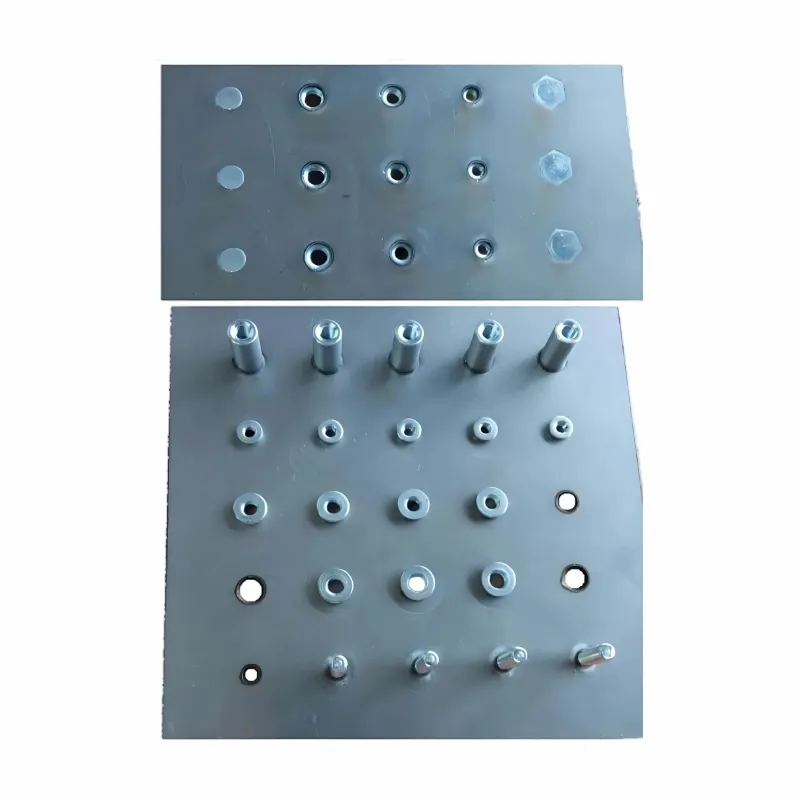
Some chassis crossbeams come with manual adjustment mechanisms, such as threaded rods or adjustable brackets. These mechanisms allow you to change the length or position of the crossbeam by turning a bolt or adjusting a nut. Manual adjustment is a relatively simple and cost-effective way to change the ride height, but it requires some mechanical knowledge and skills.
2. Hydraulic or Pneumatic Systems
In some high-end vehicles, hydraulic or pneumatic systems are used to adjust the ride height. These systems use hydraulic cylinders or air bags to raise or lower the vehicle. Hydraulic and pneumatic systems offer more precise control over the ride height and can be adjusted on the fly, but they are more complex and expensive than manual adjustment methods.
Potential Risks and Considerations
1. Safety
Adjusting the ride height of a vehicle can have a significant impact on its safety. Changing the ride height can alter the center of gravity, which can affect the vehicle's handling and stability. It can also cause the suspension to operate outside of its design parameters, which can lead to premature wear and failure of the suspension components. Therefore, it's important to make sure that any adjustments to the crossbeams are done by a qualified professional and that the vehicle is properly aligned after the adjustment.
2. Warranty
Making changes to the chassis crossbeams or the ride height of a vehicle may void the manufacturer's warranty. Before making any adjustments, it's important to check the vehicle's warranty terms and conditions to see if such modifications are allowed.
3. Legal Requirements
In some areas, there are legal requirements regarding the ride height of vehicles. It's important to make sure that any adjustments to the crossbeams comply with local laws and regulations.
Our Role as a Chassis Crossbeams Supplier
As a supplier of chassis crossbeams, we understand the importance of providing high-quality products that meet the needs of our customers. We offer a wide range of crossbeams that are designed to be compatible with different vehicle models and applications. Our crossbeams are made from high-strength materials and are manufactured using advanced techniques to ensure their durability and reliability.
In addition to providing high-quality products, we also offer technical support and advice to our customers. If you have any questions about adjusting the ride height of your vehicle or about our chassis crossbeams, our team of experts is here to help. We can provide you with detailed information about the different types of crossbeams available, the adjustment methods, and the potential risks and considerations.
Conclusion
So, can chassis crossbeams be adjusted to change the vehicle's ride height? The answer is yes, but it's not a simple process. There are many factors to consider, such as the vehicle design, crossbeam type, suspension system, safety, warranty, and legal requirements. If you're thinking about adjusting the ride height of your vehicle, it's important to do your research and consult with a qualified professional.
At our company, we're committed to providing our customers with the best products and services. If you're interested in purchasing chassis crossbeams or have any questions about our products, please don't hesitate to contact us. We'd be happy to discuss your needs and help you find the right solution for your vehicle.
References
- Automotive Engineering Handbook, various editions
- Vehicle Dynamics: Theory and Application, by Rajesh Rajamani


