


In the realm of home - appliances accessories, the performance of components under various conditions is crucial. As a supplier of Chassis Rivets, I've witnessed firsthand the importance of understanding how these rivets hold up in extreme temperatures. This knowledge is essential not only for manufacturers but also for end - users who rely on the durability and functionality of home appliances.
The Role of Chassis Rivets in Home Appliances
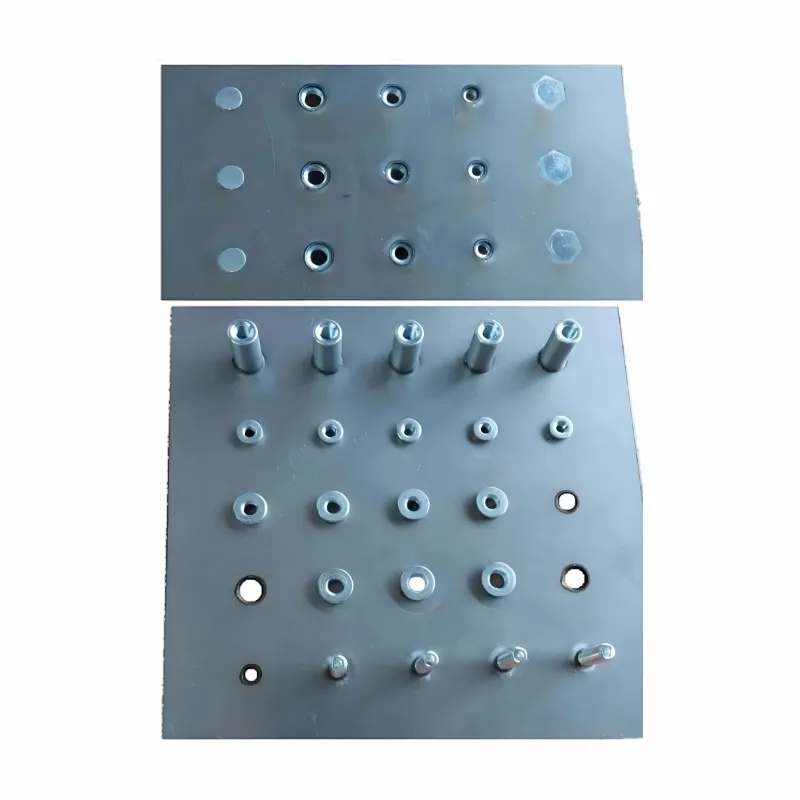
Chassis rivets are small yet mighty components that play a significant role in the structure of home appliances. They are used to fasten different parts of the Chassis Shell together, ensuring the integrity and stability of the appliance. Whether it's a refrigerator, a washing machine, or a microwave, chassis rivets help maintain the overall shape and functionality of the device.
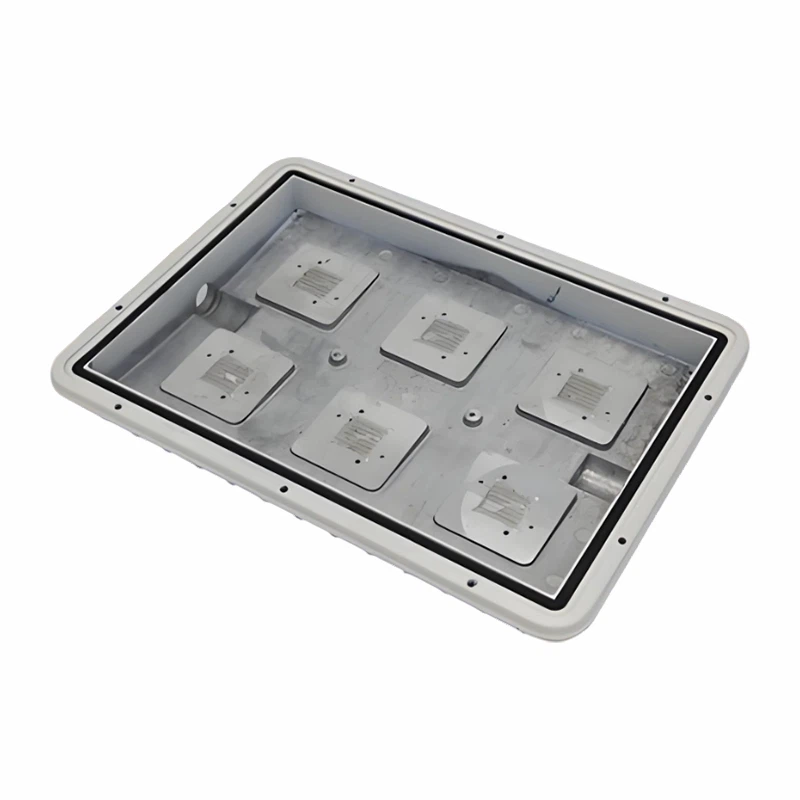
The chassis shell is the outer frame that protects the internal components of an appliance. It shields them from physical damage, dust, and electrical interference. Chassis rivets secure the various sections of the shell, preventing them from coming apart. This is especially important as the internal components of home appliances often generate heat, vibrations, and mechanical stress during operation.
Extreme Temperatures and Their Effects on Materials
Extreme temperatures can have a profound impact on the performance of materials. When exposed to high temperatures, metals tend to expand. This expansion can cause stress on the rivets holding the chassis together. If the rivets are not capable of withstanding this stress, they may shear or deform, leading to a compromised chassis structure.
On the other hand, low temperatures make metals contract. This contraction can also put stress on the rivets. In some cases, the reduced flexibility of the metal at low temperatures can cause the rivets to become brittle. A brittle rivet is more likely to crack or break under stress, which can again result in the loosening of the chassis components.
How Chassis Rivets Are Designed to Withstand Temperature Extremes
As a supplier, we take several factors into account when designing chassis rivets for extreme temperature conditions.
First, the choice of material is of utmost importance. We use high - quality metals that have a high tolerance for temperature changes. For example, some of our rivets are made from stainless steel, which has excellent corrosion resistance and can maintain its strength over a wide range of temperatures. Stainless steel has a relatively low coefficient of thermal expansion, meaning it expands and contracts less compared to other metals when exposed to temperature variations.
Second, the manufacturing process is carefully controlled. We use advanced forging and heat - treating techniques to ensure that the rivets have the right hardness and toughness. Heat treatment can improve the mechanical properties of the rivet, making it more resistant to deformation and cracking under extreme temperatures.
Testing Chassis Rivets in Extreme Temperatures
Before releasing our Chassis Rivets to the market, we subject them to rigorous testing in extreme temperature environments. We use specialized temperature chambers that can simulate both high - temperature and low - temperature conditions.
In high - temperature testing, the rivets are placed in a chamber and heated to temperatures well above the normal operating conditions of home appliances. We monitor the rivets for signs of deformation, such as changes in shape or size. We also test the shear strength of the rivets to ensure that they can still hold the chassis components together effectively.
For low - temperature testing, the rivets are cooled to extremely cold temperatures. We check for brittleness by applying a controlled amount of stress to the rivets. If the rivets crack or break under this stress, they do not meet our quality standards.
Real - World Applications and Case Studies
In real - world scenarios, our chassis rivets have proven their reliability in a variety of home appliances. For instance, in high - end refrigerators, the internal temperature can be very low, while the compressor area can generate a significant amount of heat. Our stainless - steel chassis rivets have been used to hold the refrigerator's chassis together, ensuring that it remains intact and functional even under these extreme temperature differentials.
Another example is in industrial - grade washing machines. These machines often operate at high temperatures during the drying cycle and can be exposed to cold water during the washing cycle. Our chassis rivets have been able to withstand these rapid temperature changes, preventing the chassis from coming apart and ensuring the long - term reliability of the machines.
The Impact on Appliance Performance and Longevity
The performance of chassis rivets in extreme temperatures directly affects the overall performance and longevity of home appliances. A well - functioning chassis provides a stable base for the internal components of the appliance. If the rivets fail due to temperature - related issues, the chassis may become loose or misaligned. This can lead to increased vibrations, which in turn can cause damage to the internal components over time.
Loose chassis components can also affect the energy efficiency of the appliance. For example, if the chassis of a refrigerator is not properly secured, heat may leak out more easily, causing the compressor to work harder and consume more energy.
Related Accessories and Their Interaction in Extreme Temperatures
Chassis rivets do not work in isolation. They interact with other accessories in the home appliance chassis, such as the Cover Plate Dispensing system. The cover plate is often attached to the chassis using rivets. In extreme temperatures, both the rivets and the cover plate need to work in harmony.
If the cover plate expands or contracts at a different rate than the rivets, it can put additional stress on the rivets. Our engineering team takes these interactions into account during the design process. We ensure that the materials and dimensions of the cover plate and the rivets are compatible, so they can withstand temperature changes together without causing any structural damage to the appliance.
Conclusion and Call to Action
Understanding how chassis rivets hold up in extreme temperatures is essential for the home - appliances industry. As a supplier, we are committed to providing high - quality Chassis Rivets that can withstand these harsh conditions. Our products are designed and tested to ensure the reliability and longevity of home appliances.
If you are a manufacturer in the home - appliances industry or a distributor looking for top - quality chassis rivets, we invite you to contact us for procurement and further discussions. We are eager to share our expertise and provide you with the best solutions for your needs.
References
- "Materials Science and Engineering: An Introduction" by William D. Callister Jr. and David G. Rethwisch
- "Handbook of Mechanical Fasteners" by H. A. Rothbart and Alexander H. Red
- Technical reports from internal research and development at our company on chassis rivet performance in extreme temperatures


