


As a supplier of Seat Angle Adjusters, I've witnessed firsthand the pivotal role these components play in enhancing the comfort and functionality of car seats. However, it's equally important to delve into the environmental implications associated with their manufacturing. This exploration is not just a matter of corporate responsibility but a necessity in an era where sustainable practices are paramount.
Raw Material Extraction and Processing
The journey of a Seat Angle Adjuster begins with the extraction of raw materials. Commonly, metals such as steel and aluminum are the primary materials used in their production. Steel, for instance, is derived from iron ore, which requires extensive mining operations. These mining activities often lead to deforestation, soil erosion, and habitat destruction. Large - scale open - pit mines can disrupt entire ecosystems, displacing wildlife and altering the natural landscape.
The processing of these raw materials also has a significant environmental footprint. The production of steel involves high - energy - consuming processes like smelting, where iron ore is heated to extremely high temperatures in blast furnaces. This process releases a substantial amount of carbon dioxide (CO₂) into the atmosphere, contributing to global warming. According to the World Steel Association, the steel industry accounts for approximately 7 - 9% of global direct emissions of CO₂.
Aluminum extraction and processing are also energy - intensive. The electrolysis process used to produce aluminum from bauxite ore requires a large amount of electricity. In regions where the electricity is generated from fossil fuels, this further exacerbates the carbon footprint. Moreover, the mining of bauxite can cause water pollution due to the release of heavy metals and other contaminants into nearby water sources.
Manufacturing Processes
Once the raw materials are obtained, the manufacturing of Seat Angle Adjusters involves several complex processes. Machining operations, such as cutting, drilling, and milling, are used to shape the components. These operations generate a significant amount of waste in the form of metal chips and shavings. While some of this waste can be recycled, a considerable portion may end up in landfills if not properly managed.
Surface treatment processes, such as plating and painting, are also common in the manufacturing of Seat Angle Adjusters. Electroplating, for example, is used to improve the corrosion resistance of the components. However, this process uses a variety of chemicals, including heavy metals like chromium and nickel. If these chemicals are not properly disposed of, they can contaminate soil and water, posing a threat to human health and the environment.
Painting processes can also release volatile organic compounds (VOCs) into the atmosphere. VOCs are known to contribute to the formation of ground - level ozone, a major component of smog. Exposure to high levels of ozone can cause respiratory problems, especially for children, the elderly, and those with pre - existing respiratory conditions.
Energy Consumption
The manufacturing of Seat Angle Adjusters is an energy - intensive process. From the initial raw material processing to the final assembly, a significant amount of energy is required. Most of this energy is sourced from non - renewable fossil fuels, such as coal, oil, and natural gas. The combustion of these fossil fuels releases greenhouse gases, primarily CO₂, into the atmosphere, which is a major contributor to climate change.
In addition to the direct energy consumption in the manufacturing facilities, there is also the energy associated with the transportation of raw materials and finished products. The transportation of heavy metals and other raw materials from mines to manufacturing plants, and then the distribution of the finished Seat Angle Adjusters to customers, all contribute to the overall energy consumption and carbon footprint.
Waste Generation and Disposal
As mentioned earlier, the manufacturing process of Seat Angle Adjusters generates a substantial amount of waste. In addition to the metal chips and shavings from machining operations, there are also waste products from surface treatment processes, such as spent plating solutions and paint residues. If these waste products are not managed properly, they can have serious environmental consequences.
Landfilling is a common method of waste disposal, but it has its own set of problems. Landfills can release methane, a potent greenhouse gas, as the organic matter in the waste decomposes. Moreover, the heavy metals and other contaminants in the waste can leach into the soil and groundwater over time, causing pollution.
Recycling is an effective way to reduce the environmental impact of waste. However, the recycling process also requires energy and resources. For example, recycling steel requires energy to melt and re - process the scrap metal. Nevertheless, recycling is generally more energy - efficient than producing new metal from raw materials.
End - of - Life Management
When a car reaches the end of its life, the Seat Angle Adjusters also need to be disposed of or recycled. If not properly managed, these components can end up in landfills, contributing to the growing problem of waste accumulation. However, with proper end - of - life management, Seat Angle Adjusters can be recycled and their materials reused in the production of new components.

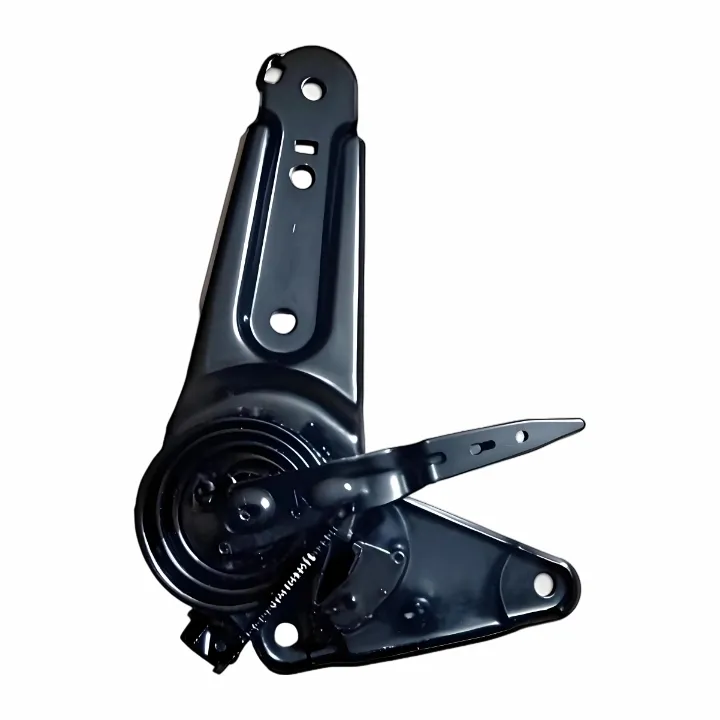
Recycling Seat Angle Adjusters can significantly reduce the demand for new raw materials and the associated environmental impacts of extraction and processing. It also helps to conserve energy and reduce greenhouse gas emissions. However, the success of end - of - life recycling depends on an efficient recycling infrastructure and consumer awareness.
Mitigating the Environmental Impacts
As a Seat Angle Adjuster supplier, we are committed to minimizing the environmental impacts of our products. One of the ways we are doing this is by sourcing raw materials from sustainable suppliers. We are working with suppliers who adhere to strict environmental standards in their mining and processing operations. This includes using more energy - efficient technologies and reducing their carbon emissions.
In our manufacturing facilities, we are implementing energy - saving measures. For example, we are using more efficient lighting systems and optimizing our production processes to reduce energy consumption. We are also investing in waste management systems to ensure that the waste generated during the manufacturing process is properly recycled or disposed of.
We are also exploring the use of alternative materials in the production of Seat Angle Adjusters. For example, some composite materials may offer similar performance to metals while having a lower environmental impact. These materials can be lighter, which can also contribute to fuel efficiency in vehicles.
Conclusion
The manufacturing of Seat Angle Adjusters has significant environmental impacts, from raw material extraction to end - of - life management. However, by taking proactive measures, such as sourcing sustainable materials, implementing energy - saving measures, and improving waste management, we can reduce these impacts.
As a supplier, we understand the importance of environmental sustainability. We are committed to continuous improvement in our environmental performance and to providing our customers with high - quality Seat Angle Adjusters that are produced in an environmentally responsible manner.
If you are interested in our Seat Angle Adjusters or other related products such as Car Seat Slide Rails and Seat Pipe Fittings, please feel free to contact us for more information and to discuss your procurement needs. We look forward to the opportunity to work with you and contribute to a more sustainable future.
References
- World Steel Association. (2023). Steel and climate change.
- Environmental Protection Agency. (2023). Volatile organic compounds (VOCs) and indoor air quality.
- International Aluminium Institute. (2023). Aluminium production and environmental impact.


