

Sheet metal is a fundamental component widely used in modern manufacturing. Its design principles directly impact product functionality, manufacturing efficiency, and cost control. Sheet metal design requires comprehensive consideration of material properties, forming processes, structural strength, and assembly requirements, adhering to a series of basic principles to ensure design rationality and feasibility.
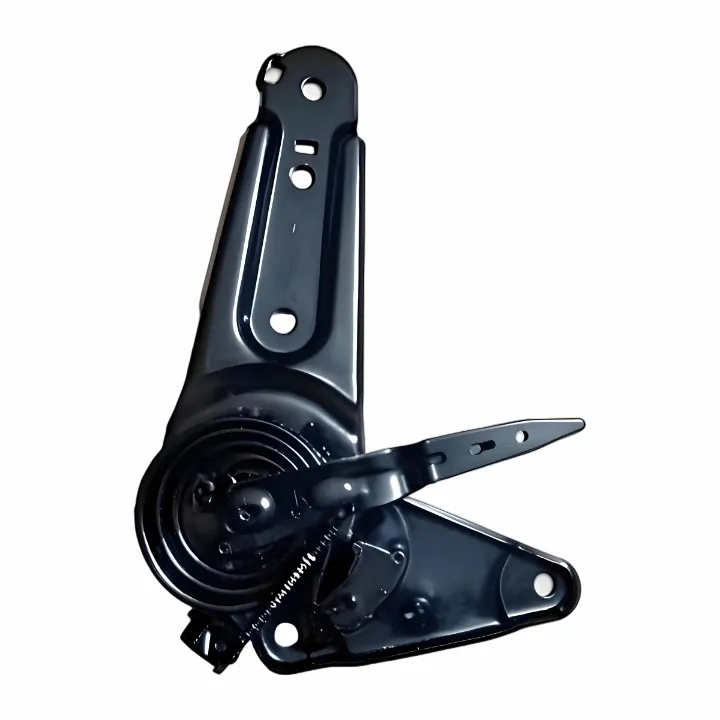
First, material selection is a critical step in sheet metal design. Common sheet metal materials include cold-rolled steel, stainless steel, aluminum, and copper alloys. The mechanical properties, ductility, and corrosion resistance of different materials directly influence the part's forming method and operating environment. The appropriate material thickness should be selected based on the application. Thin sheets (0.5-3mm) are generally suitable for precision components, while thick sheets (over 3mm) are used for load-bearing structures.
Second, the structural design of sheet metal parts must adhere to the constraints of the forming process. Common processing methods include stamping, bending, welding, and laser cutting. Therefore, overly complex geometries should be avoided to minimize process complexity. For example, the bend radius should be greater than 1.5 times the material thickness to prevent cracking, and the minimum distance between holes and edges should be greater than the sheet thickness to prevent deformation. Furthermore, reinforcing structures in sheet metal parts (such as ribs and flanges) can effectively improve rigidity while reducing weight.
Finally, assembly and tolerance control are crucial considerations in sheet metal design. Sheet metal parts often work in conjunction with other components, so positioning holes, mounting holes, and mating surfaces must be carefully designed to ensure assembly accuracy. Tolerance design should balance manufacturing feasibility with functional requirements, avoiding excessively high precision requirements that increase production costs.
In summary, sheet metal design requires the integration of multidisciplinary knowledge, including materials science, process engineering, and structural mechanics. While meeting functional requirements, it must also optimize manufacturing efficiency and costs, ultimately achieving a balance between high reliability and affordability.


