


Yo! As a supplier of Seat Pipe Fittings, I often get asked this question: Are seat pipe fittings compatible with other pipe materials? Well, let's dig into this topic and find out.
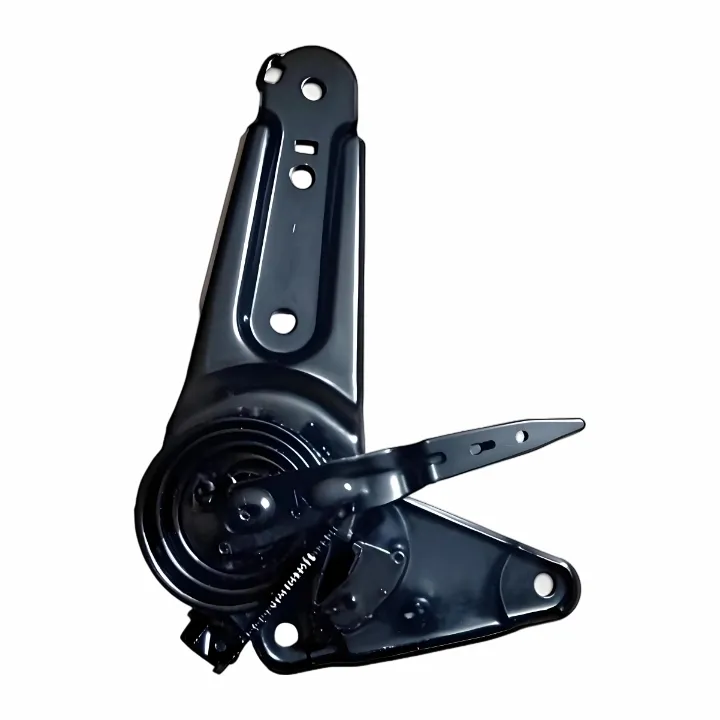
First off, we need to understand what seat pipe fittings are. These little guys are crucial parts when it comes to automotive seats. They help in connecting different sections of the seat's pipe structure, ensuring the seat is stable and functional. You know, things like Automotive Seat Slide Rails, which allow the seat to move forward and backward, rely on proper pipe fittings to work smoothly.
Now, when it comes to compatibility with other pipe materials, it's a bit of a mixed bag. There are several common pipe materials out there, such as steel, aluminum, and plastic, and each has its own characteristics.
Let's start with steel pipes. Steel is a popular choice for automotive applications because of its strength and durability. Seat pipe fittings made for steel pipes are usually designed to handle the high stress and load that seats can experience. The good news is that many seat pipe fittings are actually quite compatible with steel pipes. Most of the time, they have the right threading and dimensions to fit snugly onto steel pipes. However, you need to watch out for corrosion. If the steel pipes are not properly coated, over time, rust can form at the connection point between the fitting and the pipe, which might weaken the joint. So, it's a good idea to use anti - corrosion treatments on both the pipe and the fitting.
Aluminum pipes are another story. Aluminum is lighter than steel, which is great for fuel efficiency in vehicles. But it's also softer. Seat pipe fittings for aluminum pipes need to be designed with this in mind. They usually have a more precise fit to avoid damaging the softer aluminum. In some cases, if you try to use a fitting meant for steel on an aluminum pipe, it could cause the pipe to crack or deform. So, when dealing with aluminum pipes, make sure you use fittings specifically made for them. And don't forget about the potential for galvanic corrosion. When aluminum and other metals (like the metal in the fitting) come into contact in the presence of an electrolyte (like moisture), it can cause corrosion. To prevent this, you can use insulating gaskets or coatings.
Plastic pipes are becoming more common in automotive seats, especially in some budget - friendly models. They are lightweight and can be molded into various shapes. But seat pipe fittings for plastic pipes need to be very carefully designed. Plastic is not as strong as metal, so the fittings need to be able to grip the pipe firmly without cracking it. Some plastic pipes have a smooth surface, which can make it tricky for the fitting to hold on. In these cases, fittings might have special ridges or textures to increase the friction and ensure a good connection.
One thing that affects compatibility is the manufacturing standards. Different manufacturers might have slightly different tolerances for their pipes and fittings. For example, one company's steel pipe might have a slightly different outer diameter than another's, even though they are supposed to be the same size according to the general specifications. So, when you're purchasing seat pipe fittings, it's important to make sure they are from a reliable source that adheres to strict manufacturing standards.
Another factor is the type of connection. There are different ways to connect seat pipe fittings to pipes, such as threaded connections, push - fit connections, and welded connections. Threaded connections are common because they are relatively easy to install and remove. But the threads on the fitting and the pipe need to match exactly. Push - fit connections are quick and easy, but they rely on a tight seal and the right fit. Welded connections are very strong but require special equipment and skills to do properly.
Let's talk about the importance of using the right seat pipe fittings. If you use incompatible fittings, it can lead to a whole bunch of problems. For instance, the seat might become loose or unstable, which is a major safety hazard. It could also affect the functionality of other seat components, like the Seat Angle Adjuster. If the pipe fittings are not working correctly, the angle adjuster might not be able to move smoothly or hold the seat at the desired angle.
In addition, using the wrong fittings can lead to premature wear and tear. The constant stress and movement in the seat can cause the incompatible parts to rub against each other, wearing them down faster. This means you'll have to replace the parts more often, which can be costly.
Now, as a Seat Pipe Fittings supplier, I can tell you that we take compatibility very seriously. Our team of experts carefully designs our fittings to work with a wide range of pipe materials. We test our products rigorously to make sure they meet the highest standards of quality and compatibility. Whether you're using steel, aluminum, or plastic pipes, we have the right seat pipe fittings for you.
If you're in the market for seat pipe fittings, or if you have any questions about compatibility, feel free to reach out. We're here to help you find the perfect solution for your automotive seat needs. We've also got a variety of other seat - related products, like Classic Auto Seat Springs. These springs can really enhance the comfort and functionality of your seats.
In conclusion, while seat pipe fittings can be compatible with other pipe materials, it's crucial to choose the right ones for the job. Consider the pipe material, the manufacturing standards, and the type of connection. And if you need any assistance, don't hesitate to contact us. We're always eager to have a chat and help you with your procurement needs.
References

- Automotive Engineering Handbook.
- Material Science in Automotive Applications.
- Industry Standards for Seat Components.


