


Hey there! As a supplier of Base Mounting Brackets, I often get asked about the tensile strength of these crucial components. So, let's dive right in and break it down.
First off, what exactly is tensile strength? Well, in simple terms, it's the maximum amount of pulling force a material can withstand before it breaks or fails. When it comes to Base Mounting Brackets, tensile strength is super important because these brackets are designed to hold up and support various loads. Whether it's in a home appliance setup or some other industrial application, they need to be able to handle the stress put on them.
The tensile strength of Base Mounting Brackets can vary quite a bit depending on a few key factors. One of the main factors is the material used to make the brackets. We commonly use materials like steel, aluminum, and sometimes even plastic. Each of these materials has its own unique properties that affect the tensile strength.
Steel is a popular choice for Base Mounting Brackets because it's known for its high strength. Different types of steel can have different tensile strengths. For example, carbon steel is often used in many brackets due to its good balance of strength and cost. High - strength low - alloy (HSLA) steels can offer even greater tensile strength, which is great for applications where heavy loads need to be supported. A typical carbon steel Base Mounting Bracket might have a tensile strength ranging from around 40,000 to 80,000 pounds per square inch (psi). On the other hand, HSLA steels can have tensile strengths upwards of 100,000 psi or more.
Aluminum is another option. It's lighter than steel, which can be an advantage in some situations where weight is a concern, like in portable or lightweight applications. However, its tensile strength is generally lower than that of steel. Aluminum Base Mounting Brackets usually have a tensile strength in the range of 10,000 to 50,000 psi, depending on the alloy used. For instance, 6061 - T6 aluminum alloy, which is commonly used in brackets, has a tensile strength of about 42,000 psi.
Plastic brackets are also available, especially for applications where corrosion resistance and low cost are important. But their tensile strength is significantly lower compared to metal brackets. Most plastic Base Mounting Brackets have a tensile strength in the range of a few thousand psi. They're more suitable for light - duty applications where the loads are not too heavy.
Another factor that affects the tensile strength of Base Mounting Brackets is the manufacturing process. Brackets that are forged or machined from solid stock tend to have better tensile strength compared to those that are cast. Forging can align the grain structure of the material in a way that enhances its strength, while casting might introduce some internal defects that can reduce the overall strength.
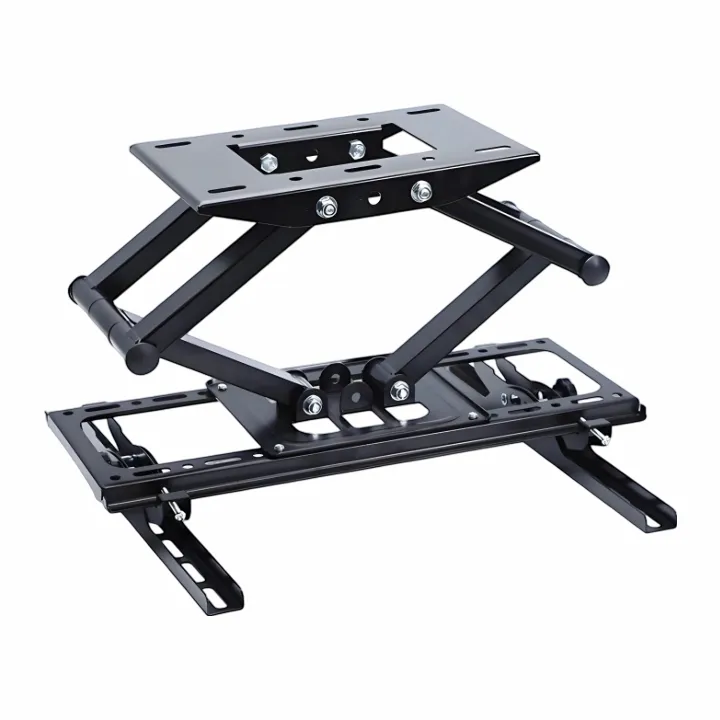
The design of the bracket also plays a role. A well - designed bracket with proper reinforcement and shape can distribute the load more evenly, which effectively increases its ability to withstand tensile forces. For example, brackets with ribbed designs or those that are tapered in a strategic way can handle more stress without failing.
Now, why does all this matter to you? Well, if you're in the market for Base Mounting Brackets, understanding the tensile strength is crucial for choosing the right product for your specific application. If you're working on a project that involves heavy machinery or large appliances, you'll definitely want brackets with high tensile strength, like those made from steel. On the other hand, if you're doing a DIY home project where the loads are relatively light, an aluminum or plastic bracket might be sufficient.
As a supplier, we offer a wide range of Base Mounting Brackets with different tensile strengths to meet your needs. You can check out our Base Mounting Brackets on our website. We also have other types of mounting brackets, such as Interior Panel Mounting Brackets and Suspension Mounting Brackets.

When you're choosing the right bracket, it's not just about the tensile strength. You also need to consider other factors like corrosion resistance, cost, and ease of installation. For example, if your application is in a wet or corrosive environment, you might want to choose a bracket made from a corrosion - resistant material like stainless steel or a coated aluminum.
We understand that every project is unique, and that's why we're here to help. Our team of experts can assist you in selecting the best Base Mounting Brackets based on your specific requirements. Whether you need a bracket with a high tensile strength for a heavy - duty application or a more lightweight option for a simple project, we've got you covered.
If you're interested in purchasing our Base Mounting Brackets or have any questions about their tensile strength or other properties, don't hesitate to reach out. We're always happy to have a chat and discuss how we can meet your needs. We believe in providing high - quality products and excellent customer service, so you can be confident in your purchase.
In conclusion, the tensile strength of Base Mounting Brackets is a key factor that you need to consider when choosing the right bracket for your project. It depends on the material, manufacturing process, and design of the bracket. By understanding these factors, you can make an informed decision and ensure that your project is a success. So, take a look at our products and let's start working together to find the perfect solution for you.
References:
- "Materials Science and Engineering: An Introduction" by William D. Callister Jr. and David G. Rethwisch
- Various industry standards and specifications for mounting brackets


