


As a supplier of Base Mounting Brackets, I often encounter inquiries from customers regarding the load - bearing capacity of these brackets. This is a crucial question, especially for those in industries where heavy equipment or large - scale installations are involved. In this blog, we will delve into the science behind whether base mounting brackets can support heavy loads.
Understanding Base Mounting Brackets
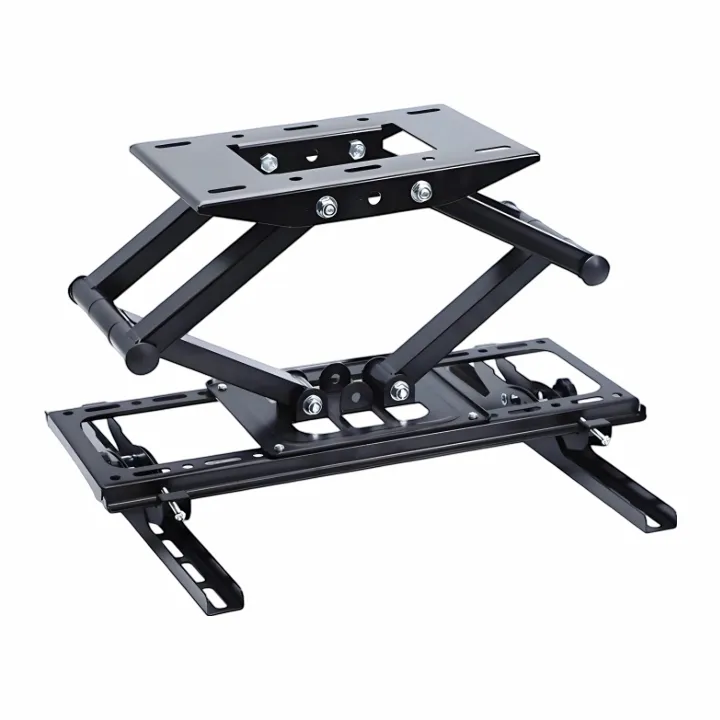
Base mounting brackets are essential components used to secure various objects to a base surface. They come in different shapes, sizes, and materials, each designed to meet specific requirements. For instance, Base Mounting Brackets are commonly used in home appliances, industrial machinery, and even in some construction applications.
The design of base mounting brackets is a complex process that takes into account multiple factors. The shape of the bracket affects its ability to distribute the load evenly. A well - designed bracket will have a shape that minimizes stress concentrations and maximizes the contact area with the base and the object being supported. For example, a bracket with a wide base and properly angled arms can better distribute the weight of a heavy object.
Material Matters
The material used in base mounting brackets plays a significant role in determining their load - bearing capacity. Common materials include steel, aluminum, and plastic.
Steel is a popular choice for heavy - duty applications. It has high strength and durability, making it capable of withstanding large loads. Steel brackets can be heat - treated to further enhance their strength. For example, in industrial settings where large machinery needs to be secured, steel base mounting brackets are often the go - to option. The high carbon content in some steels provides excellent tensile strength, allowing the brackets to support heavy equipment without deforming.
Aluminum, on the other hand, is lighter than steel but still offers a good balance of strength and weight. It is corrosion - resistant, which makes it suitable for outdoor applications. Aluminum base mounting brackets are commonly used in the automotive and aerospace industries, where weight reduction is crucial. However, compared to steel, aluminum has a lower load - bearing capacity, and its use is more limited when it comes to extremely heavy loads.
Plastic brackets are lightweight and cost - effective. They are often used in applications where the load is relatively light, such as in home appliances. While plastic brackets may not be able to support heavy loads like steel or aluminum, they are suitable for many consumer - grade products.
Load - Bearing Calculations
To determine whether a base mounting bracket can support a heavy load, engineers use a series of calculations. These calculations take into account the material properties, the design of the bracket, and the type of load.
The load can be classified into different types, such as static load and dynamic load. A static load is a constant force applied to the bracket, while a dynamic load is a varying force, such as vibrations or impacts. For example, in a manufacturing plant, a machine that is constantly running may exert a dynamic load on the base mounting brackets.
The stress on the bracket is calculated using the formula σ = F/A, where σ is the stress, F is the force applied, and A is the cross - sectional area of the bracket. If the calculated stress exceeds the yield strength of the material, the bracket will deform or even fail. Therefore, it is essential to ensure that the stress on the bracket remains within the safe limits.
Another important factor in load - bearing calculations is the factor of safety. This is a multiplier applied to the expected load to account for uncertainties in the load, material properties, and manufacturing processes. A higher factor of safety means that the bracket is designed to withstand a greater load than the expected one, providing an extra margin of safety.
Real - World Applications
In real - world scenarios, base mounting brackets are used in a wide range of applications. In the home appliance industry, Base Mounting Brackets are used to secure refrigerators, washing machines, and other large appliances to the floor or wall. These brackets need to support the weight of the appliance and also withstand any vibrations during operation.
In the industrial sector, base mounting brackets are used to secure heavy machinery, such as generators, compressors, and conveyor systems. These applications often require brackets with high load - bearing capacities. For example, a large generator may weigh several tons, and the base mounting brackets need to be able to support this weight without failure.
In the construction industry, base mounting brackets are used to attach structural components to the foundation. They play a crucial role in ensuring the stability of the building. For instance, in a high - rise building, the base mounting brackets for the columns need to support the weight of the entire structure above them.
Comparing with Other Types of Mounting Brackets
It is also interesting to compare base mounting brackets with other types of mounting brackets, such as Suspension Mounting Brackets and Interior Panel Mounting Brackets.
Suspension mounting brackets are designed to support objects that are suspended from a structure. They are often used in automotive applications to support the suspension system. These brackets need to be able to withstand the dynamic forces generated by the movement of the vehicle. In contrast, base mounting brackets are designed to support objects on a base surface, and they mainly deal with static or relatively stable loads.
Interior panel mounting brackets are used to attach interior panels to the walls or ceilings of a building. They are typically designed for lighter loads compared to base mounting brackets. The main function of interior panel mounting brackets is to provide a secure attachment for the panels while maintaining a clean and aesthetic appearance.

Conclusion
In conclusion, base mounting brackets can support heavy loads, but it depends on several factors, including the material, design, and the type of load. By carefully selecting the right material and design, and performing accurate load - bearing calculations, base mounting brackets can be used in a wide range of applications where heavy loads need to be supported.
If you are in need of high - quality base mounting brackets for your project, whether it is for home appliances, industrial machinery, or construction, we are here to help. Our team of experts can assist you in selecting the most suitable brackets for your specific requirements. Contact us to start a procurement discussion and find the perfect base mounting brackets for your needs.
References
- Budynas, R. G., & Nisbett, J. K. (2011). Shigley's Mechanical Engineering Design. McGraw - Hill.
- Ugural, A. C., & Fenster, S. K. (2012). Advanced Strength and Applied Elasticity. Pearson.


