


Can Chassis Hooks be used on buses? That's a question I've been getting a lot lately, and as a chassis hooks supplier, I'm more than happy to dive into this topic.

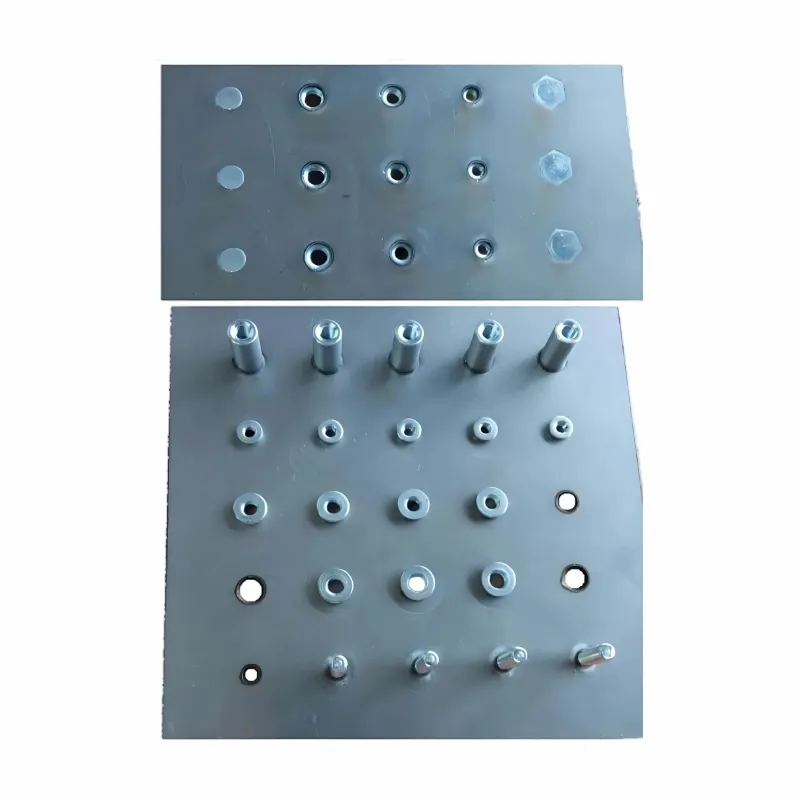
First off, let's talk about what chassis hooks are. They're essentially components that are designed to provide a secure attachment point on a vehicle's chassis. They come in different shapes and sizes, and are made from various materials like steel and aluminum. Their main function is to help with the installation of other parts, transfer loads, and sometimes even provide a bit of flexibility in the chassis design.
Now, when it comes to using chassis hooks on buses, there are several factors to consider. One of the most important ones is the weight and load capacity. Buses are heavy vehicles, often carrying a large number of passengers, and sometimes even a significant amount of luggage. So, the chassis hooks need to be able to handle these heavy loads without failing. For example, if you're looking at a city bus that can carry up to 50 - 60 passengers, along with their weight and any additional equipment on board, the total weight can be quite substantial. The chassis hooks must be engineered to support this load without bending or breaking.
Another aspect is the vibration and shock resistance. Buses are constantly on the move, dealing with different road conditions. Potholes, bumps, and uneven terrain can cause a lot of vibration and shock. Chassis hooks need to be able to withstand these forces over a long period. Quality hooks are designed with advanced materials and manufacturing techniques to absorb and dissipate these vibrations. This not only protects the hooks themselves but also the other components attached to them.
Let's not forget about the environmental conditions. Buses operate in all sorts of weather, from scorching heat to freezing cold, and from dry deserts to rainy coastal areas. The chassis hooks should be resistant to corrosion, especially if the bus is often exposed to saltwater (like in coastal regions where sea spray can reach the chassis) or if it operates in areas where road salt is used during winter.
Now, let's get into the benefits of using chassis hooks on buses. One major advantage is the ease of installation. With the right chassis hooks, it becomes much simpler to attach components like Chassis Crossbeams. These crossbeams play a crucial role in the structural integrity of the bus chassis, providing additional support and stability. The hooks allow for a quick and secure connection, reducing the installation time and labor costs.
Chassis hooks also offer flexibility in the design and modification of the bus. If there's a need to add or remove certain components in the future, the hooks make it easier to do so. For instance, if a bus operator wants to install additional storage compartments or upgrade the suspension system, the chassis hooks can serve as convenient attachment points.
In terms of safety, well - designed chassis hooks can enhance the overall safety of the bus. They help distribute the loads evenly across the chassis, reducing the risk of stress concentration in certain areas. This can prevent premature structural failure, which is crucial for the safety of the passengers and the driver.
However, it's important to note that not all chassis hooks are suitable for buses. You need to choose high - quality hooks that are specifically designed with the requirements of bus applications in mind. Low - quality hooks might seem like a cheaper option initially, but they can lead to serious problems down the road. For example, if a hook fails while the bus is in motion, it can cause a chain reaction of damage to other components, and even result in an accident.
When selecting chassis hooks for buses, it's also a good idea to look for hooks that are compatible with other chassis parts. For example, Chassis Rivets are often used in conjunction with chassis hooks. Ensuring compatibility between these parts can improve the overall performance and durability of the bus chassis.
Another related aspect is Cover Plate Dispensing. Some chassis hooks may be used in the process of attaching cover plates. These cover plates not only protect the internal components of the chassis but also contribute to the aesthetic appearance of the bus. Having hooks that are well - integrated with the cover - plate dispensing system can make the assembly process more efficient.
So, can chassis hooks be used on buses? The answer is yes, but with the right considerations. As a chassis hooks supplier, I've seen firsthand the importance of choosing the right hooks for the job. If you're in the business of bus manufacturing, maintenance, or modification, and you're looking for high - quality chassis hooks that meet the strict requirements of bus applications, don't hesitate to get in touch. We have a wide range of hooks available, each carefully engineered to provide optimal performance and reliability for buses. Whether you need hooks for a small shuttle bus or a large intercity coach, we've got you covered.
Contact us today to start a discussion about your specific needs. We're here to help you find the perfect chassis hooks for your buses and ensure that your vehicles are safe, reliable, and efficient.
References
- Automotive Chassis Design Principles and Applications Textbook
- Industry Reports on Bus Component Safety and Performance
- Engineering Research Papers on Chassis Hook Design and Load - Bearing Capabilities


