


As a supplier of Swing Arm Brackets, I understand the importance of accurate measurements when it comes to these crucial automotive components. In this blog post, I'll share my insights on how to measure for swing arm brackets, ensuring a perfect fit and optimal performance for your vehicles.

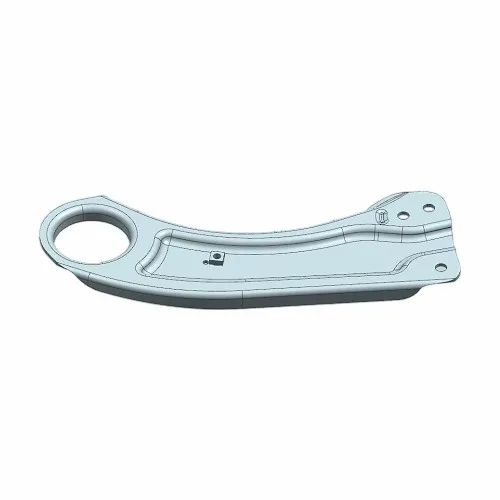
Understanding Swing Arm Brackets
Before we dive into the measurement process, let's briefly discuss what swing arm brackets are and their role in a vehicle's suspension system. Swing arm brackets are essential components that connect the swing arms to the vehicle's chassis. They play a vital role in supporting the weight of the vehicle, absorbing shocks, and maintaining stability during driving. A well - measured and properly installed swing arm bracket is crucial for the overall safety and performance of the vehicle.
Tools Required for Measurement
To measure for swing arm brackets accurately, you'll need a few basic tools:
- Measuring Tape: A flexible measuring tape is essential for taking linear measurements. Make sure it has both metric and imperial units for convenience.
- Calipers: Digital or Vernier calipers are useful for measuring small distances, such as the thickness of brackets or the diameter of holes.
- Angle Finder: An angle finder helps you measure the angles at which the swing arm brackets will be installed. This is crucial, as incorrect angles can lead to misalignment and poor performance.
- Straight Edge: A straight edge can be used to check the flatness of surfaces and ensure that the brackets will be installed correctly.
Step - by - Step Measurement Process
1. Vehicle Preparation
First, park the vehicle on a level surface and engage the parking brake. If possible, lift the vehicle using a hydraulic lift or jack stands to gain better access to the area where the swing arm brackets will be installed. Make sure the vehicle is stable and secure before proceeding with the measurements.
2. Measuring the Mounting Points
- Distance between Mounting Holes: Use a measuring tape to measure the distance between the mounting holes on the vehicle's chassis where the swing arm brackets will be attached. Measure both horizontally and vertically to ensure accuracy. Record these measurements carefully, as they will determine the size and shape of the brackets.
- Hole Diameter: Use calipers to measure the diameter of the mounting holes. This is important, as the brackets must have holes of the correct size to fit the bolts or studs used for installation.
3. Measuring the Swing Arm
- Length: Measure the length of the swing arm from the pivot point to the end where it connects to the wheel or other components. This measurement will help determine the overall length of the swing arm bracket required.
- Width and Thickness: Measure the width and thickness of the swing arm at various points. These measurements are important for ensuring that the bracket will provide adequate support and fit properly around the swing arm.
4. Measuring the Angles
- Installation Angle: Use an angle finder to measure the angle at which the swing arm bracket will be installed. This angle is typically determined by the vehicle's suspension design and can vary depending on the make and model of the vehicle. Make sure to measure the angle accurately, as incorrect angles can cause premature wear and tear on the brackets and other suspension components.
- Swing Arm Angle: Measure the angle of the swing arm itself. This angle can affect the performance of the suspension system and should be taken into account when designing the swing arm brackets.
5. Checking for Clearance
- Surrounding Components: Check for clearance around the area where the swing arm brackets will be installed. Make sure there is enough space for the brackets to fit without interfering with other components, such as the exhaust system, fuel lines, or wiring. Use a straight edge to check for any obstructions or uneven surfaces that could affect the installation.
Importance of Accurate Measurements
Accurate measurements are crucial when it comes to swing arm brackets. Incorrect measurements can lead to a variety of problems, including:
- Poor Fit: If the brackets are not the right size or shape, they may not fit properly on the vehicle's chassis or swing arm. This can lead to loose connections, which can cause rattling, vibration, and even safety issues.
- Misalignment: Incorrect angles or measurements can cause the swing arm brackets to be misaligned. This can result in uneven tire wear, poor handling, and reduced stability during driving.
- Premature Wear and Tear: When the brackets are not installed correctly, they can experience excessive stress and wear. This can lead to premature failure of the brackets and other suspension components, increasing maintenance costs and reducing the lifespan of the vehicle.
Our Products
At our company, we offer a wide range of high - quality Swing Arm Brackets designed to meet the specific needs of different vehicles. Our brackets are made from durable materials and are precision - engineered to ensure a perfect fit. We also offer Car Engine Bracket and Crossbeam Reinforcements to provide comprehensive solutions for your vehicle's chassis needs.
Contact for Procurement
If you are in the market for swing arm brackets or other chassis parts, we invite you to contact us for a consultation. Our team of experts can help you determine the right measurements and select the best products for your vehicle. We are committed to providing high - quality products and excellent customer service. Whether you are a professional mechanic or a DIY enthusiast, we have the products and expertise to meet your needs.
References
- Automotive Suspension Systems Handbook, Third Edition. By John Crolla.
- Chassis Engineering: How to Build and Modify Your Car's Chassis. By Herb Adams.


