


Hey there! As a supplier of Chassis Rivets, I often get asked about how to calculate the number of chassis rivets needed for a specific chassis design. It's a crucial question, especially when you're working on a project and need to ensure you have the right amount of materials. So, let's dive right in and break it down step by step.
Understanding the Basics
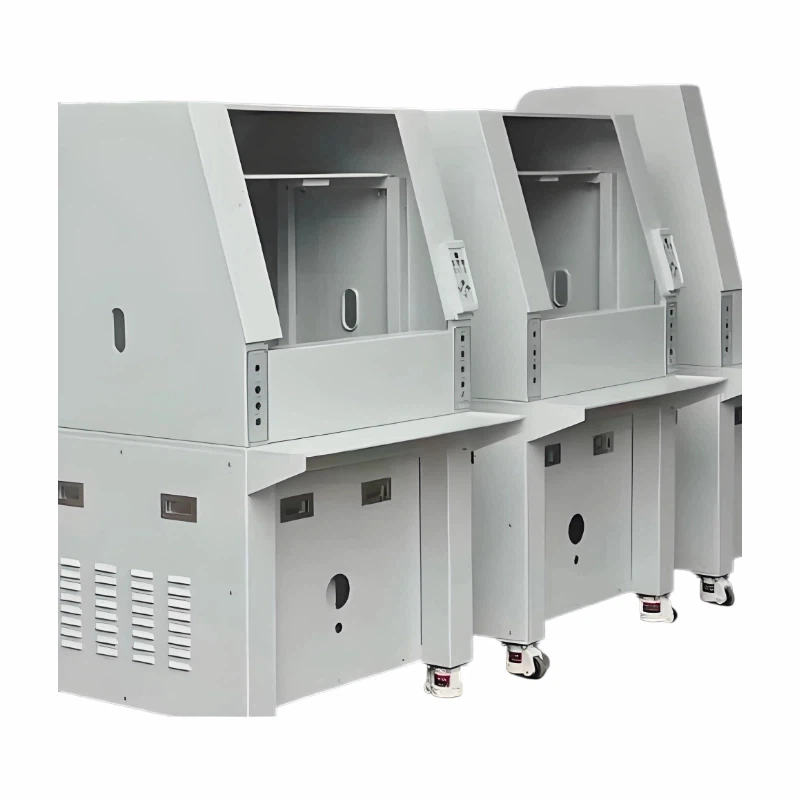
First off, we need to understand what chassis rivets are used for. Chassis rivets are essential components in joining different parts of a Chassis Shell together. They provide a strong and reliable connection that can withstand various stresses and vibrations. Whether you're building a small electronic device or a large industrial machine, getting the number of rivets right is key to the overall structural integrity of the chassis.
Factors Affecting the Number of Rivets
There are several factors that come into play when calculating the number of chassis rivets needed. Let's take a look at some of the most important ones:
1. Chassis Design and Structure
The design and structure of the chassis are the primary factors that determine the number of rivets. For example, a simple rectangular chassis with few joints will require fewer rivets compared to a complex, multi - segmented chassis with many corners and connections. The shape of the chassis, such as whether it's curved or straight, also matters. Curved sections may need more rivets to ensure a tight fit and proper alignment.
2. Load and Stress Requirements
The amount of load and stress the chassis will be subjected to is another crucial factor. If the chassis is going to be used in a high - stress environment, like in a vehicle or heavy machinery, you'll need more rivets to distribute the load evenly and prevent the joints from failing. On the other hand, a chassis for a low - stress application, such as a small home appliance, may require fewer rivets.
3. Rivet Size and Strength
The size and strength of the rivets you choose also affect the quantity needed. Larger and stronger rivets can handle more load, so you may need fewer of them compared to smaller, weaker rivets. However, you need to make sure the rivet size is compatible with the thickness of the materials being joined.
Step - by - Step Calculation Process
Step 1: Identify the Joints
The first step in calculating the number of rivets is to identify all the joints in the chassis design. Draw a detailed diagram of the chassis and mark each joint where rivets will be used. This will give you a clear picture of the areas that need to be joined.
Step 2: Determine the Load per Joint
Next, you need to determine the load that each joint will be subjected to. This can be done by analyzing the forces acting on the chassis, such as weight, vibration, and external impacts. You may need to use engineering formulas or consult with a structural engineer to accurately calculate the load per joint.

Step 3: Select the Rivet Size and Strength
Based on the load per joint and the thickness of the materials being joined, select the appropriate rivet size and strength. You can refer to the manufacturer's specifications for the rivets to find out their load - bearing capacity.
Step 4: Calculate the Number of Rivets per Joint
To calculate the number of rivets per joint, divide the load per joint by the load - bearing capacity of a single rivet. Round up the result to the nearest whole number to ensure you have enough rivets to handle the load. For example, if the load per joint is 500 N and the load - bearing capacity of a single rivet is 100 N, you'll need 500 / 100 = 5 rivets per joint.
Step 5: Sum Up the Total Number of Rivets
Once you've calculated the number of rivets per joint, sum them up to get the total number of rivets needed for the entire chassis. Don't forget to add a few extra rivets as a buffer in case of any mistakes or unforeseen circumstances.
Example Calculation
Let's say we're designing a simple rectangular chassis for a small electronic device. The chassis has four joints, and each joint is expected to carry a load of 200 N. We've selected rivets with a load - bearing capacity of 50 N each.
For each joint, the number of rivets needed is 200 / 50 = 4 rivets.
Since there are four joints, the total number of rivets needed is 4 x 4 = 16 rivets. Adding a buffer of 2 extra rivets, we'll need a total of 18 rivets for the chassis.
Additional Considerations
- Spacing between Rivets: The spacing between rivets is also important. If the rivets are too close together, it can cause stress concentration and weaken the material. On the other hand, if they're too far apart, the joint may not be strong enough. A general rule of thumb is to keep the spacing between rivets at least 2 - 3 times the diameter of the rivet.
- Surface Preparation: Proper surface preparation is crucial for a strong riveted joint. Make sure the surfaces to be joined are clean, free of dirt, oil, and rust. You may also need to apply a Classic Spray Paint to prevent corrosion after the riveting process.
Conclusion
Calculating the number of chassis rivets needed for a specific chassis design is a process that requires careful consideration of several factors. By following the steps outlined above and taking into account the additional considerations, you can ensure that you have the right number of rivets to build a strong and reliable chassis.
If you're in the process of designing a chassis and need high - quality chassis rivets, I'd love to help. We offer a wide range of chassis rivets in different sizes and strengths to meet your specific needs. Whether you're a small - scale DIY enthusiast or a large - scale manufacturer, we've got you covered. Feel free to reach out to us for more information and to start a procurement discussion.
References
- "Mechanical Design Handbook" by Robert C. Juvinall and Kurt M. Marshek
- "Engineering Mechanics: Statics" by Russell C. Hibbeler


