


Ensuring the accuracy of die assembly for metal stamping dies is a critical aspect of the manufacturing process, especially for a Metal Stamping Dies supplier like us. Precision in die assembly directly impacts the quality, efficiency, and cost - effectiveness of metal stamping operations. In this blog, we will explore various strategies and best practices to guarantee the accuracy of die assembly.
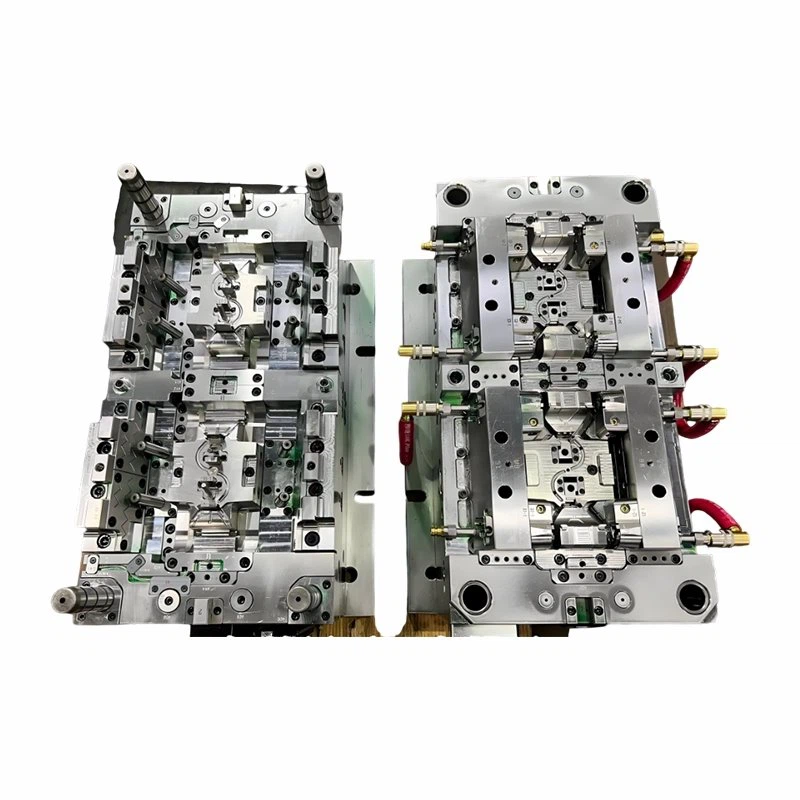

Understanding the Basics of Metal Stamping Dies
Before delving into the assembly accuracy, it's essential to understand what metal stamping dies are. Metal stamping dies are tools used in the manufacturing industry to cut, shape, or form metal sheets into specific parts. These dies are custom - designed according to the requirements of the final product. As a Metal Stamping Dies supplier, we are well - versed in the design and production of a wide range of dies, from simple blanking dies to complex progressive dies.
Importance of Accurate Die Assembly
Accurate die assembly is the cornerstone of successful metal stamping. A well - assembled die ensures that the stamped parts meet the required dimensional tolerances, surface finish, and mechanical properties. Inaccurate assembly can lead to a host of problems, including part defects such as burrs, cracks, and incorrect shapes. It can also cause premature wear and tear of the die components, leading to increased maintenance costs and production downtime.
Steps to Ensure Die Assembly Accuracy
1. Precise Design and Engineering
The process of ensuring die assembly accuracy begins long before the actual assembly. A detailed and accurate design is crucial. Our engineering team uses advanced CAD/CAM software to create 3D models of the dies. This allows us to simulate the stamping process, identify potential issues, and make necessary adjustments before manufacturing the die components. By having a precise design, we can ensure that all the parts fit together perfectly during assembly.
2. High - Quality Materials and Machining
The choice of materials for die components is vital. We source high - grade tool steels and other alloys that offer excellent hardness, wear resistance, and toughness. These materials are then machined using state - of - the - art CNC machines. CNC machining provides high precision and repeatability, ensuring that each die component meets the exact specifications of the design. For example, the punches and dies need to have extremely tight tolerances to ensure accurate cutting and forming of the metal sheets.
3. Cleanliness and Inspection
Before assembly, all die components must be thoroughly cleaned to remove any dirt, debris, or machining residues. Even a small particle of dirt can cause misalignment during assembly. After cleaning, each component is inspected using precision measuring instruments such as calipers, micrometers, and coordinate measuring machines (CMMs). These inspections ensure that the components meet the required dimensional tolerances. Any out - of - tolerance parts are either re - machined or discarded.
4. Assembly in a Controlled Environment
Die assembly should be carried out in a controlled environment to minimize the effects of temperature, humidity, and vibration. Our assembly area is equipped with climate - control systems to maintain a stable temperature and humidity level. This helps prevent any thermal expansion or contraction of the die components, which could affect the assembly accuracy. Additionally, vibration isolation pads are used to reduce the impact of external vibrations on the assembly process.
5. Proper Tooling and Fixtures
Using the right tools and fixtures is essential for accurate die assembly. We have a wide range of specialized tools, such as torque wrenches, press - fit tools, and alignment jigs. Torque wrenches are used to ensure that the bolts and screws are tightened to the correct torque, preventing over - or under - tightening. Alignment jigs help in positioning the die components accurately, especially in complex multi - station dies.
6. Skilled Assembly Team
Our assembly team consists of highly skilled technicians with years of experience in die assembly. They are trained to follow strict assembly procedures and quality control measures. Each technician understands the importance of accuracy and takes pride in their work. They are also trained to troubleshoot any issues that may arise during the assembly process, such as misaligned components or interference fits.
7. Testing and Validation
Once the die is assembled, it undergoes a series of tests and validations. We perform trial runs using sample metal sheets to check the performance of the die. During these tests, we measure the dimensions of the stamped parts, check for any defects, and evaluate the overall stamping process. If any issues are detected, the die is disassembled, the problem is identified, and the necessary adjustments are made.
Role of Quality Control in Die Assembly
Quality control is an integral part of ensuring die assembly accuracy. We have a comprehensive quality control system in place that covers every stage of the die manufacturing process, from design to final assembly. Our quality control team conducts regular inspections and audits to ensure that all the processes and procedures are being followed correctly. They also use statistical process control (SPC) techniques to monitor the quality of the die components and the assembly process. By analyzing data from SPC, we can identify trends and take proactive measures to prevent quality issues.
Impact of Accurate Die Assembly on Related Processes
Accurate die assembly not only affects the quality of the stamped parts but also has a significant impact on related processes. For example, in Injection Molding Metal Parts, the accuracy of the stamping dies used to create the metal inserts can influence the overall quality of the injection - molded parts. Similarly, in the production of Automotive Parts Inspection Fixtures, precise stamping dies are required to ensure that the fixtures can accurately measure and inspect the automotive parts.
Conclusion
Ensuring the accuracy of die assembly for metal stamping dies is a complex but essential process. By following the steps outlined above, from precise design and high - quality machining to skilled assembly and rigorous testing, we can guarantee that our metal stamping dies meet the highest standards of accuracy. As a Metal Stamping Dies supplier, we are committed to providing our customers with high - quality dies that deliver consistent performance and reliable results.
If you are in the market for metal stamping dies or have any questions about our products and services, we encourage you to contact us for a detailed discussion. Our team of experts is ready to assist you in finding the best solutions for your specific needs.
References
- Groover, M. P. (2010). Fundamentals of Modern Manufacturing: Materials, Processes, and Systems. Wiley.
- Dieter, G. E. (1988). Engineering Design: A Materials and Processing Approach. McGraw - Hill.
- Kalpakjian, S., & Schmid, S. R. (2014). Manufacturing Engineering and Technology. Pearson.


