


When it comes to optimizing the comfort and functionality of a vehicle seat, adjusting the seat angle is a crucial step. As a Seat Angle Adjuster supplier, we understand the importance of getting the angle just right. In this blog post, we'll explore how to measure the angle of a seat before adjusting it with a Seat Angle Adjuster.
Why Measuring the Seat Angle is Important
Before delving into the measurement process, it's essential to understand why measuring the seat angle is significant. A proper seat angle can enhance comfort, reduce fatigue during long drives, and improve overall safety. Incorrect seat angles can lead to poor posture, back pain, and decreased visibility on the road. By accurately measuring the seat angle, you can make informed adjustments to ensure a more comfortable and safe driving experience.
Tools Required for Measuring the Seat Angle
To measure the seat angle, you'll need a few basic tools:
- Protractor: A protractor is a simple and effective tool for measuring angles. You can find a variety of protractors at your local hardware store or online.
- Level: A level can help ensure that the seat is in a horizontal position, which is important for accurate measurements.
- Pen and Paper: You'll need to record the measurements for reference later.
Step-by-Step Guide to Measuring the Seat Angle
Now that you have the necessary tools, let's walk through the step-by-step process of measuring the seat angle:

- Prepare the Seat: Ensure that the seat is in a clean and unobstructed position. Remove any objects or debris from the seat that could interfere with the measurement.
- Position the Protractor: Place the protractor on the seat surface, aligning it with the seat back. Make sure the protractor is level and parallel to the ground.
- Measure the Angle: Use the protractor to measure the angle between the seat back and the horizontal plane. Read the measurement on the protractor and record it on your paper.
- Repeat the Measurement: To ensure accuracy, repeat the measurement at least two more times. Take the average of the three measurements to get a more precise result.
- Check the Seat Base Angle: In addition to measuring the seat back angle, it's also important to measure the seat base angle. Repeat the same process as above, but this time, measure the angle between the seat base and the horizontal plane.
Factors to Consider When Measuring the Seat Angle
When measuring the seat angle, there are a few factors to consider:
- Seat Design: Different seat designs may have different optimal angles. Consider the type of vehicle and the intended use of the seat when determining the ideal angle.
- Driver Preferences: Everyone has different preferences when it comes to seat comfort. Take into account the driver's height, weight, and personal preferences when measuring the seat angle.
- Safety Requirements: Ensure that the seat angle meets all safety requirements and regulations. Incorrect seat angles can affect the effectiveness of seat belts and airbags.
Adjusting the Seat Angle with a Seat Angle Adjuster
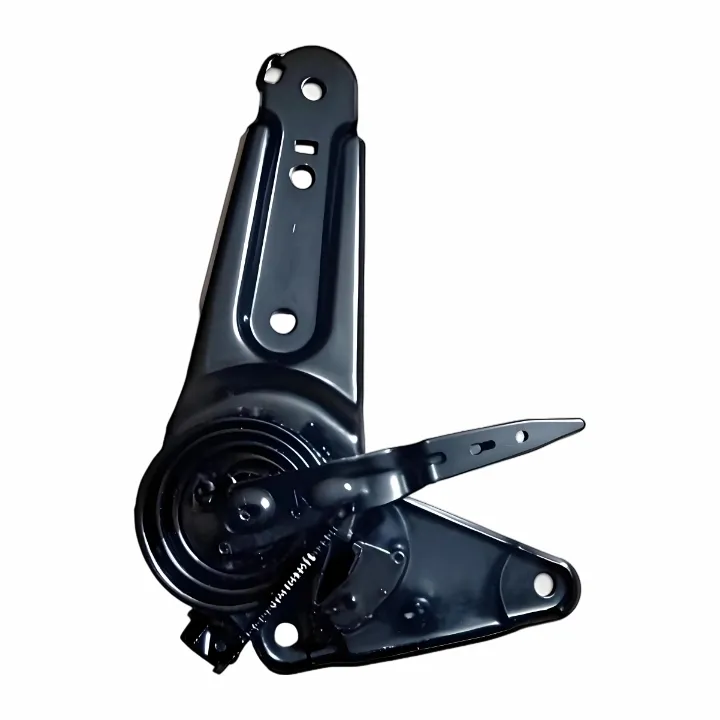
Once you have measured the seat angle, you can use a Seat Angle Adjuster to make the necessary adjustments. Seat angle adjusters come in a variety of types and designs, including manual and electric adjusters.
- Manual Seat Angle Adjusters: Manual seat angle adjusters typically require the use of a lever or crank to adjust the seat angle. These adjusters are simple and easy to use, but they may require more effort to operate.
- Electric Seat Angle Adjusters: Electric seat angle adjusters use a motor to adjust the seat angle. These adjusters are more convenient and require less effort to operate, but they may be more expensive.
Benefits of Using a Seat Angle Adjuster
Using a seat angle adjuster offers several benefits:
- Improved Comfort: Adjusting the seat angle can help improve comfort by reducing pressure on the back and legs.
- Enhanced Safety: A proper seat angle can improve visibility and reduce the risk of accidents.
- Customization: Seat angle adjusters allow you to customize the seat angle to your specific needs and preferences.
Other Seat Accessories to Consider
In addition to seat angle adjusters, there are other seat accessories that can enhance the comfort and functionality of your vehicle seat. Some popular seat accessories include:
- Seat Stampings: Seat stampings are used to reinforce the seat structure and improve durability.
- Seat Pipe Components: Seat pipe components are used to connect the seat to the vehicle frame and provide support.
Conclusion
Measuring the seat angle before adjusting it with a seat angle adjuster is an important step in optimizing the comfort and functionality of your vehicle seat. By following the steps outlined in this blog post, you can accurately measure the seat angle and make informed adjustments to ensure a more comfortable and safe driving experience. As a Seat Angle Adjuster supplier, we are committed to providing high-quality products and excellent customer service. If you have any questions or would like to learn more about our products, please don't hesitate to contact us for procurement discussions.
References
- Automotive Seat Design and Comfort, SAE International
- Ergonomics in Automotive Seating, Human Factors and Ergonomics Society


