


As a supplier of Classic Spray Paint, I understand the importance of maintaining the integrity and longevity of a classic spray paint finish. A well - preserved spray paint finish not only enhances the aesthetic appeal of an object but also protects it from various environmental factors. In this blog, I'll share some effective ways to protect classic spray paint finishes.
Understanding the Classic Spray Paint Finish
Before we delve into the protection methods, it's essential to understand what a classic spray paint finish is. Classic spray paint typically offers a smooth, even, and durable coating. It can be used on a wide range of surfaces, including metal, wood, plastic, and more. However, this finish is still vulnerable to scratches, fading, and chemical damage.
Pre - application Preparation
The process of protecting a classic spray paint finish starts even before the paint is applied.
Surface Preparation: A clean and smooth surface is crucial for a long - lasting paint finish. Any dirt, grease, or rust on the surface can prevent the paint from adhering properly. Use a degreaser to clean the surface thoroughly. For metal surfaces, sanding can help create a rough texture that allows the paint to grip better. For wood, filling any holes or cracks with wood filler and then sanding the surface will ensure a smooth finish.
Priming: Applying a primer is an important step. A good primer acts as a base layer that improves the adhesion of the spray paint and provides an extra layer of protection. Choose a primer that is compatible with the surface material and the type of spray paint you are using.
During the Painting Process
Proper Spraying Technique: When applying the classic spray paint, follow the correct spraying technique. Hold the spray can at a consistent distance from the surface (usually around 8 - 10 inches) and move the can in a smooth, even motion. Over - spraying or spraying too close to the surface can result in runs, drips, or an uneven finish. Apply multiple thin coats rather than one thick coat. This allows each coat to dry properly and reduces the risk of cracking or peeling.

Drying Conditions: Ensure that the object is painted in a well - ventilated area with the right temperature and humidity conditions. Most spray paints dry best at temperatures between 60°F and 80°F (15°C - 27°C) and a relative humidity of around 40% - 60%. Avoid painting in direct sunlight or in extremely cold or humid conditions, as this can affect the drying process and the quality of the finish.
Post - painting Protection
Clear Coat Application: Once the spray paint has dried completely, applying a clear coat is an excellent way to protect the finish. A clear coat adds an extra layer of protection against scratches, UV rays, and chemical damage. There are different types of clear coats available, such as acrylic clear coats and urethane clear coats. Acrylic clear coats are more affordable and easy to apply, while urethane clear coats offer superior durability and protection.
Regular Cleaning: Regular cleaning is essential to maintain the classic spray paint finish. Use a mild soap and water solution to clean the surface. Avoid using abrasive cleaners or scrubbers, as these can scratch the paint. Gently wipe the surface with a soft cloth or sponge. For stubborn stains, you can use a specialized paint cleaner, but always test it on a small, inconspicuous area first.
Avoiding Abrasive Contact: Be careful to avoid contact with abrasive materials. For example, if the painted object is a piece of furniture, use coasters and placemats to prevent scratches from glasses and plates. If it's a vehicle, avoid parking in areas where there is a high risk of debris hitting the painted surface.
UV Protection: UV rays from the sun can cause the paint to fade over time. If the painted object is exposed to sunlight, consider using a UV - resistant clear coat or applying a UV - protective film. You can also park vehicles in shaded areas or use car covers to reduce UV exposure.
Protection for Specific Applications
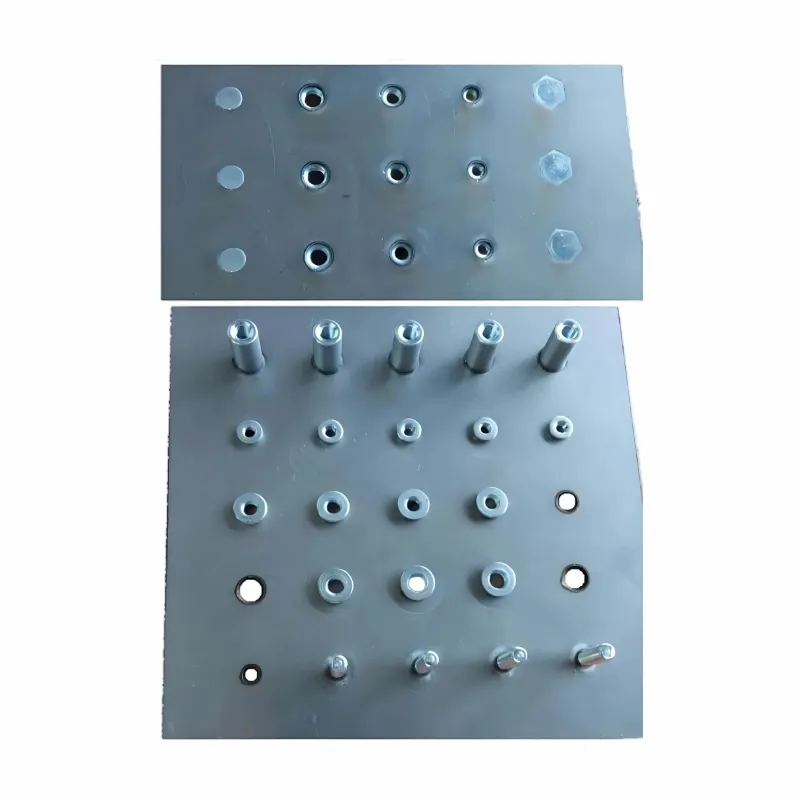
Home Appliances: For home appliances, proper handling is key. When installing or moving appliances, be careful not to scratch the painted surface. You can also use protective accessories such as Chassis Shell, Cover Plate Dispensing, and Chassis Rivets. These accessories not only add functionality but also protect the painted parts of the appliances.
Automotive Applications: In the automotive industry, regular waxing can help protect the classic spray paint finish. Wax creates a barrier between the paint and the environment, protecting it from dirt, water, and UV rays. Additionally, use high - quality car wash products that are designed to be gentle on the paint.
Dealing with Minor Damages
Even with the best protection, minor damages to the classic spray paint finish may occur. For small scratches, you can use a touch - up paint that matches the original color. Clean the scratched area, apply the touch - up paint carefully, and then let it dry. For more significant damages, it may be necessary to sand the area and repaint it.
Conclusion
Protecting a classic spray paint finish requires a combination of proper pre - application preparation, correct painting techniques, and post - painting care. By following these steps, you can ensure that the classic spray paint finish on your objects remains beautiful and durable for a long time.
If you are interested in purchasing our Classic Spray Paint products or have any questions about protecting spray paint finishes, we are here to assist you. Contact us for more information and to start a procurement discussion. We look forward to working with you to meet your spray paint needs.
References
- "The Complete Guide to Spray Painting" by DIY Experts
- "Automotive Paint and Finishes: Technology and Application" by Industry Professionals
- Manufacturer's guidelines for classic spray paint products


