


Hey there! As a supplier of chassis boxes, I often get asked about the chemical - resistance properties of these nifty little boxes. So, I thought I'd take some time to break it all down for you.
First off, let's understand what we mean by chemical resistance. In simple terms, it's the ability of a material to withstand the effects of various chemicals without significant degradation. When it comes to chassis boxes, this is super important because they can be used in a wide range of environments where they might come into contact with different substances.
Factors Affecting Chemical Resistance
The chemical - resistance properties of a chassis box depend on several factors. One of the most crucial ones is the material the box is made from. Common materials for chassis boxes include plastics, metals, and composites, and each has its own unique chemical - resistance profile.
Plastic Chassis Boxes
Plastic is a popular choice for chassis boxes due to its lightweight, cost - effectiveness, and ease of manufacturing. Different types of plastics have different levels of chemical resistance. For example, polypropylene (PP) is known for its good resistance to many organic solvents, acids, and alkalis. It can handle exposure to substances like ethanol, acetic acid in low concentrations, and sodium hydroxide solutions.
On the other hand, polystyrene (PS) is not as chemically resistant. It can be easily attacked by many organic solvents such as acetone and toluene. If you're using a PS chassis box in an environment where it might come into contact with these solvents, you're likely to see the plastic start to dissolve or become brittle over time.

Metal Chassis Boxes
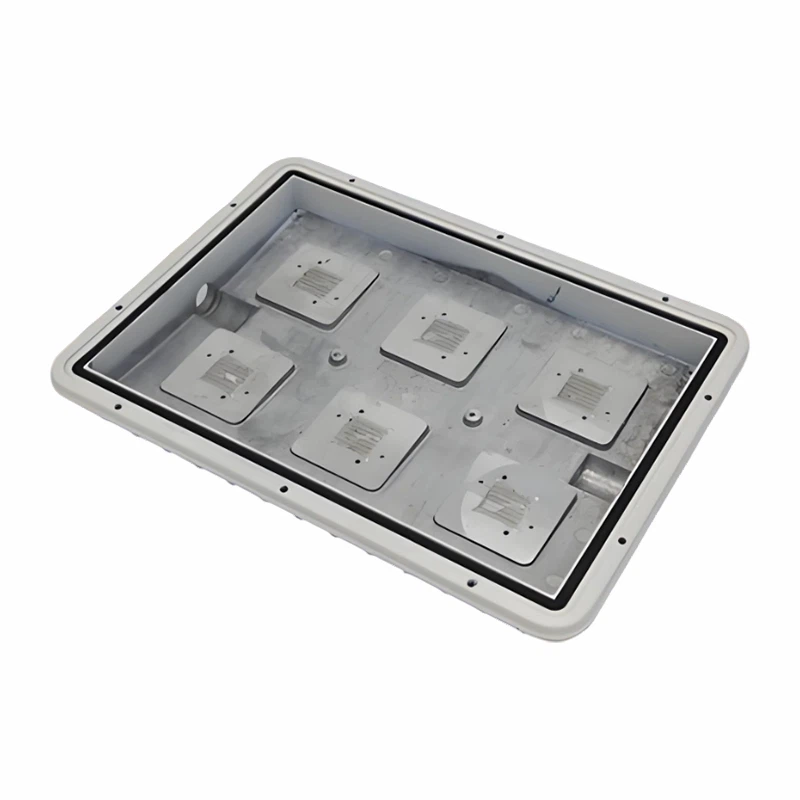
Metals are also commonly used for chassis boxes, especially when durability and strength are required. Stainless steel is a top choice because of its excellent corrosion resistance. It can resist the effects of many chemicals, including mild acids and alkalis. For instance, it can withstand exposure to sulfuric acid in low concentrations and sodium carbonate solutions.
However, not all metals are created equal. Regular steel, for example, is prone to rusting when exposed to moisture and certain chemicals like acids. If you're using a regular steel chassis box in a chemically - harsh environment, you'll need to apply a protective coating to prevent corrosion.
Composite Chassis Boxes
Composite materials combine the properties of different substances to create a material with enhanced performance. Chassis boxes made from composites can offer a good balance of chemical resistance, strength, and weight. For example, fiberglass - reinforced composites can have good resistance to many chemicals, especially when the resin matrix is carefully selected. Some resin systems can resist the effects of acids, alkalis, and solvents, making them suitable for use in industrial environments.
Real - World Applications and Chemical Exposure
Now, let's take a look at some real - world applications where the chemical - resistance properties of chassis boxes matter.
Industrial Settings
In industrial facilities, chassis boxes can be used to house electrical components, control systems, or sensors. These boxes might be exposed to a variety of chemicals, such as cleaning agents, lubricants, and process chemicals. For example, in a chemical manufacturing plant, the chassis boxes could come into contact with strong acids or alkalis. In such cases, a chassis box made from a chemically - resistant material like stainless steel or a high - performance plastic would be essential to ensure the long - term functionality of the components inside.
Laboratory Environments
Laboratories are another place where chassis boxes need to have good chemical resistance. They can be used to store or transport sensitive equipment. In a chemistry lab, the boxes might be exposed to a wide range of chemicals, from organic solvents to strong oxidizing agents. A chassis box made from a material like polypropylene or a fiberglass - reinforced composite would be a good choice to protect the equipment from chemical damage.
Outdoor Applications
Even in outdoor settings, chassis boxes can face chemical exposure. They might be exposed to rainwater, which can contain dissolved acids from air pollution, or to chemicals used for road de - icing in winter. In these cases, a chassis box with good chemical resistance can prevent corrosion and ensure the longevity of the box and the components inside.
Our Product Offerings and Chemical Resistance
As a chassis box supplier, we offer a wide range of products with different chemical - resistance properties to meet the needs of various applications.
Our Cover Plate Dispensing chassis boxes are designed with chemical resistance in mind. They are available in different materials, including high - quality plastics and metals. The plastic versions are made from chemically - resistant polymers that can withstand exposure to many common chemicals. The metal versions, especially those made from stainless steel, offer excellent corrosion resistance, making them suitable for use in harsh chemical environments.
Our Chassis Hooks are also an important part of our product line. These hooks are often used in conjunction with chassis boxes, and they are made from materials that can resist chemical attack. Whether you're using them in an industrial setting or a laboratory, you can be confident that they will hold up well against chemical exposure.
And of course, our Chassis Shell products are designed to provide maximum protection for the components inside. They are available in a variety of materials and configurations, allowing you to choose the one that best suits your chemical - resistance requirements.
How to Choose the Right Chassis Box for Chemical Resistance
When choosing a chassis box for your specific application, there are a few things you need to consider.
First, identify the chemicals that the box is likely to be exposed to. Make a list of the acids, alkalis, solvents, and other substances that it might come into contact with. Then, research the chemical - resistance properties of different materials. You can refer to material datasheets or consult with experts in the field.
Next, consider the duration and intensity of the chemical exposure. If the box will be exposed to a chemical for a short period of time, you might be able to get away with a less chemically - resistant material. However, if the exposure is long - term or the chemical is highly corrosive, you'll need to choose a more robust material.
Finally, think about the overall requirements of your application. In addition to chemical resistance, you might also need the box to have good mechanical strength, electrical insulation properties, or a specific size and shape.
Contact Us for Your Chassis Box Needs
If you're in the market for a chassis box with the right chemical - resistance properties, we're here to help. We have a team of experts who can assist you in choosing the best product for your application. Whether you're in the industrial, laboratory, or outdoor sector, we have a solution for you.
Don't hesitate to reach out to us to discuss your requirements and start the procurement process. We're committed to providing high - quality chassis boxes that meet your needs and exceed your expectations.
References
- "Handbook of Plastics, Elastomers, and Composites" by Charles A. Harper
- "Corrosion Resistance of Metals and Alloys" by George S. Brady and Henry R. Clauser
- Material datasheets from various chassis box manufacturers


