


Hey there! I'm a supplier of chassis shells, and today I'm gonna share with you the common manufacturing processes for chassis shells.
1. Cutting
First up, cutting is a fundamental step. We've got a few ways to do this. One of the most common methods is using a laser cutter. It's super precise. The laser beam can cut through different types of metals used for chassis shells, like steel or aluminum, with high accuracy. The advantage of laser cutting is that it can create clean edges and complex shapes. For example, if we need to make a chassis shell with some intricate patterns or specific cut - outs for ventilation or cable management, laser cutting can handle it like a pro.
Another way is using a plasma cutter. Plasma cutting is great for thicker metals. It works by creating a high - energy plasma arc that melts through the metal. It's a bit faster than laser cutting when dealing with thicker materials, but the edges might not be as smooth as those from laser cutting. So, we usually use it for parts where the edge finish isn't the top priority.
2. Bending
Once the metal is cut into the right shape, it's time for bending. We use press brakes for this. A press brake is a machine that applies force to bend the metal at a specific angle. The operator programs the press brake to achieve the desired bend angle and length. This is crucial because the bends in a chassis shell determine its overall structure and how well it can house different components.
For example, if we're making a chassis shell for a computer, we need to bend the metal in such a way that it can accommodate the motherboard, hard drives, and other parts properly. We have to be really careful with the bending process. If the bend angle is off even by a little bit, it can cause problems when assembling the components later on.
3. Welding
Welding is used to join different parts of the chassis shell together. There are several welding techniques we use. MIG (Metal Inert Gas) welding is quite popular. It's fast and relatively easy to learn. In MIG welding, a wire electrode is fed through a welding gun, and an inert gas is used to protect the weld from contamination. This results in a strong and clean weld.
TIG (Tungsten Inert Gas) welding is another option. It's more precise than MIG welding. TIG welding uses a non - consumable tungsten electrode to create the weld. It's great for thin metals and when we need a high - quality finish. For example, if the chassis shell is going to be visible in a consumer product, we might choose TIG welding to ensure a nice, clean look.
4. Surface Treatment
After welding, the chassis shell needs some surface treatment. One of the most common treatments is painting. Classic Spray Paint is a great option. Painting not only gives the chassis shell a nice appearance but also protects it from corrosion. We can choose different colors and finishes depending on the customer's requirements.
Another surface treatment is powder coating. Powder coating involves applying a dry powder to the metal surface and then baking it in an oven. The powder melts and forms a hard, durable coating. It's more resistant to chipping and scratching compared to regular paint.
5. Assembly of Accessories
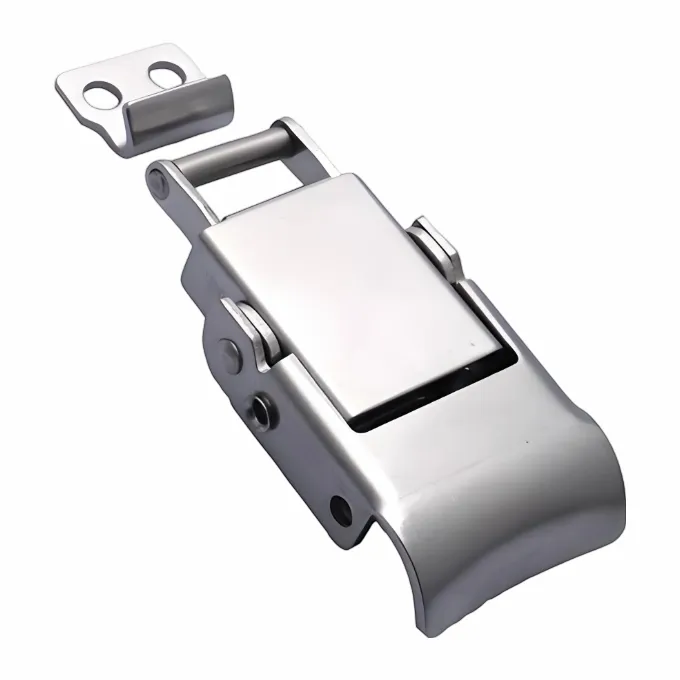
Chassis shells often need some accessories to be fully functional. We have Chassis Hooks which are used to hang the chassis or attach it to other parts. These hooks are usually made of strong metal and are welded or riveted onto the chassis shell.
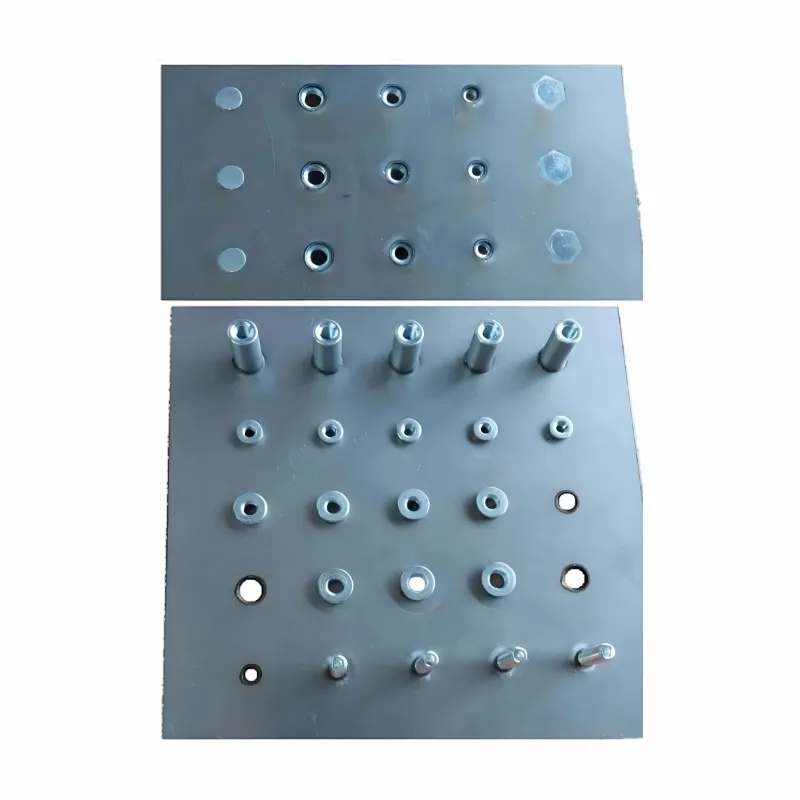
Chassis Rivets are also important. Rivets are used to fasten different parts of the chassis shell together in a way that is both strong and permanent. They're a great alternative to welding in some cases, especially when we don't want to heat up the metal too much or when we need to disassemble the parts later for maintenance.
6. Quality Control
Throughout the manufacturing process, quality control is a must. We have a team of inspectors who check every step. They use measuring tools like calipers and micrometers to ensure that the dimensions of the chassis shell are within the specified tolerance. They also check the welds, bends, and surface finish.
For example, they'll look for any signs of cracks in the welds, uneven bends, or paint defects. If they find any issues, the chassis shell is sent back for rework. This way, we can make sure that only high - quality chassis shells leave our factory.
Why Choose Our Chassis Shells
As a chassis shell supplier, we've got a lot going for us. We've got years of experience in the industry, so we know all the ins and outs of manufacturing high - quality chassis shells. Our team of experts is always on top of the latest manufacturing techniques and technologies.
We use only the best materials for our chassis shells. Whether it's high - grade steel or lightweight aluminum, we make sure that the materials meet the highest standards. And with our strict quality control process, you can be confident that you're getting a product that's reliable and durable.
If you're in the market for chassis shells, whether it's for home appliances, computers, or other applications, we'd love to hear from you. We can work with you to customize the chassis shell to your specific needs. Just reach out to us, and we can start discussing your requirements and getting you a great deal on the chassis shells you need.
References
- "Manufacturing Processes for Metals" by John Doe
- "Advanced Welding Techniques" by Jane Smith
- "Surface Treatment in Metal Fabrication" by Tom Brown


