


Hey there! As a supplier of mounting brackets, I've seen firsthand the different needs and preferences of customers when it comes to choosing between flat and angled mounting brackets. In this blog, I'll break down the key differences between these two types of brackets to help you make an informed decision for your project.
Design and Structure
Let's start with the basics. Flat mounting brackets, as the name suggests, are flat pieces of metal or other materials. They're usually straight and have holes or slots for screws or bolts to attach them to a surface. These brackets are simple in design and offer a straightforward way to mount objects. They're great for situations where you need a stable, level base for your equipment or fixture.
On the other hand, angled mounting brackets have a bend or angle in them. This angle can vary depending on the specific application, but common angles include 45 degrees and 90 degrees. The angled design allows for mounting objects at an angle, which can be useful in a variety of scenarios. For example, if you're mounting a TV on a wall and want it to be tilted for better viewing, an angled bracket would be the way to go.
Functionality
The functionality of flat and angled mounting brackets is where the real differences come into play. Flat brackets are ideal for applications where you need to mount something flush against a surface. They provide a stable platform for items like shelves, cabinets, or panels. Since they're flat, they distribute the weight evenly across the mounting surface, reducing the risk of damage or instability.
Angled brackets, however, offer more flexibility in terms of positioning. They're perfect for situations where you need to adjust the angle of the mounted object. This could be for aesthetic reasons, like creating a more dynamic look in your home decor, or for practical purposes, such as ensuring proper alignment of a camera or antenna. For instance, if you're installing a Home Antenna Pole, an angled bracket can help you position it at the optimal angle for better signal reception.
Installation
Installation is another important factor to consider when choosing between flat and angled mounting brackets. Flat brackets are generally easier to install because they don't require any special alignment or adjustment. You simply line up the holes on the bracket with the holes on the mounting surface and secure them with screws or bolts. This makes them a popular choice for DIY projects and quick installations.
Angled brackets, on the other hand, may require a bit more precision during installation. You need to make sure the angle is correct and that the bracket is properly aligned with the mounting surface. This may involve using a level or other measuring tools to ensure accuracy. However, with a little patience and the right tools, installing an angled bracket can be a straightforward process.
Applications
Both flat and angled mounting brackets have a wide range of applications. Flat brackets are commonly used in construction, furniture assembly, and home improvement projects. They're often used to mount cabinets, shelves, and wall-mounted fixtures. For example, if you're building a new kitchen, you might use flat brackets to secure the cabinets to the wall. You can also find flat brackets in industrial settings, where they're used to mount machinery and equipment.
Angled brackets are frequently used in applications where a specific angle is required. In the home, they're often used for mounting TVs, picture frames, and decorative items. For example, you could use an angled bracket to mount a Home Decoration Cover Plate at an angle for a more unique look. In the automotive industry, angled brackets are used to mount accessories and components at the correct angle for optimal performance.
Strength and Durability
When it comes to strength and durability, both flat and angled mounting brackets are designed to be robust and long-lasting. However, the strength of a bracket can depend on several factors, including the material it's made from and the thickness of the metal.
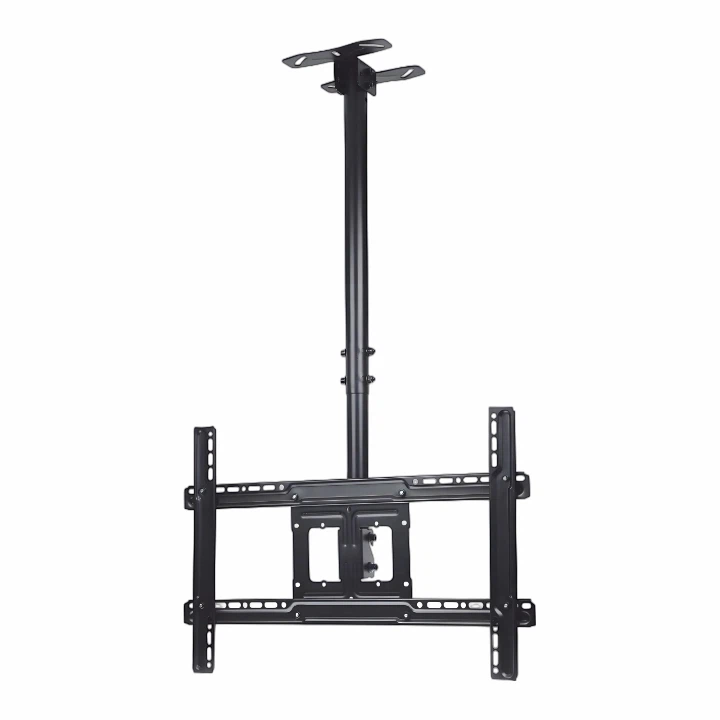
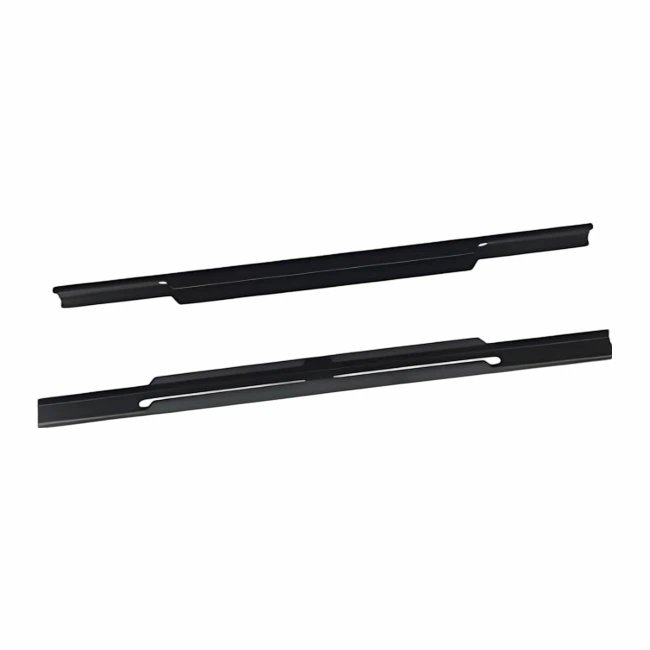
Flat brackets are typically strong enough to support heavy loads when properly installed. They distribute the weight evenly across the mounting surface, which helps to prevent the bracket from bending or breaking. Angled brackets, on the other hand, may need to be stronger to support the additional stress caused by the angle. This is especially true if the bracket is supporting a heavy object or if it's exposed to vibrations or movement.
Cost
Cost is always a consideration when choosing between different types of mounting brackets. In general, flat brackets are less expensive than angled brackets. This is because they're simpler in design and require less material to manufacture. However, the cost can also vary depending on the size, material, and quality of the bracket.
If you're on a tight budget, flat brackets may be the more cost-effective option. But if you need the flexibility and functionality of an angled bracket, it may be worth investing a little more. Keep in mind that the cost of the bracket is just one factor to consider. You also need to factor in the cost of installation and any additional tools or materials you may need.
Conclusion
In conclusion, the choice between flat and angled mounting brackets depends on your specific needs and the requirements of your project. Flat brackets are great for simple, straightforward installations where you need a stable, level base. They're easy to install and are generally more cost-effective. Angled brackets, on the other hand, offer more flexibility in terms of positioning and are ideal for applications where a specific angle is required.
If you're still not sure which type of bracket is right for you, feel free to reach out to us. As a mounting bracket supplier, we have the expertise and experience to help you find the perfect solution for your project. Whether you're looking for Interior Panel Mounting Brackets, home decoration cover plates, or home antenna poles, we've got you covered.
We're always happy to discuss your requirements and provide you with detailed information and advice. So, if you're interested in purchasing mounting brackets, don't hesitate to contact us for a quote and to start the procurement negotiation process. We look forward to working with you!
References
- General knowledge and experience in the mounting bracket industry.


