


When it comes to mounting brackets, one crucial aspect that often gets overlooked is their fire - resistance properties. As a mounting brackets supplier, I understand the importance of providing materials that can withstand high temperatures and contribute to the overall safety of various installations. In this blog, we will explore the fire - resistance properties of different mounting bracket materials.
Steel Mounting Brackets
Steel is one of the most commonly used materials for mounting brackets. It is known for its strength and durability, but how does it fare in terms of fire resistance?
Steel has a relatively high melting point, typically around 1370 - 1510°C (2500 - 2750°F). This means that in normal fire situations, steel brackets will not immediately melt. However, when exposed to high - temperature fires for an extended period, steel can lose its structural integrity. As the temperature rises, steel begins to expand, and if it is part of a fixed structure, this expansion can cause significant stress on the surrounding components.
Moreover, the strength of steel decreases as the temperature increases. At around 500°C (932°F), steel can lose up to 50% of its strength. This reduction in strength can lead to the failure of the mounting bracket, potentially causing the attached equipment or structure to collapse.
Despite these limitations, steel can be treated to improve its fire - resistance. Fire - resistant coatings can be applied to steel brackets. These coatings act as a barrier, slowing down the transfer of heat to the steel and protecting its structural properties for a longer period. For those interested in steel mounting brackets for various applications, you can explore our Home Antenna Pole options, which are available in high - quality steel.
Aluminum Mounting Brackets
Aluminum is another popular material for mounting brackets due to its lightweight nature and corrosion resistance. However, its fire - resistance properties are quite different from those of steel.
Aluminum has a relatively low melting point, around 660°C (1220°F). This means that in a fire, aluminum brackets can melt more easily compared to steel. When aluminum melts, it can also cause additional problems. Molten aluminum can flow and spread the fire, potentially igniting other nearby materials.
In addition, aluminum reacts with oxygen at high temperatures. This reaction can be exothermic, meaning it releases heat. The heat released from the oxidation of aluminum can further fuel the fire and make it more difficult to control.
However, like steel, aluminum can also be engineered to have better fire - resistance. Special alloys can be developed that have a higher melting point and better high - temperature stability. These alloys can be used to manufacture mounting brackets that are more suitable for applications where fire safety is a concern. Our Interior Panel Mounting Brackets are available in some aluminum alloy options that have been designed with improved fire - resistance characteristics.
Plastic Mounting Brackets
Plastic is a cost - effective and versatile material for mounting brackets. It is easy to mold into various shapes, making it suitable for a wide range of applications. However, plastic is generally not known for its fire - resistance.
Most plastics are highly flammable. They can ignite easily when exposed to a flame or high - temperature source. Once ignited, plastics can burn rapidly, releasing toxic fumes and contributing to the spread of the fire.
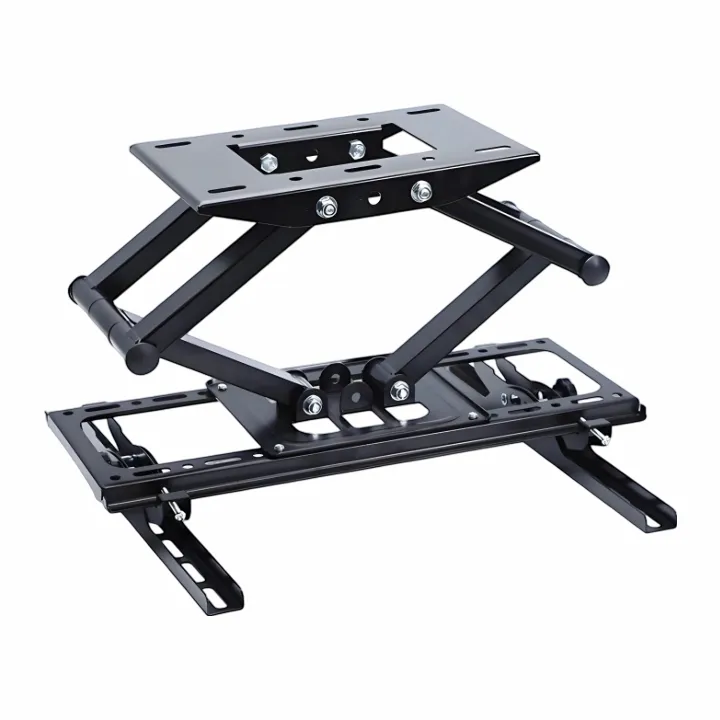
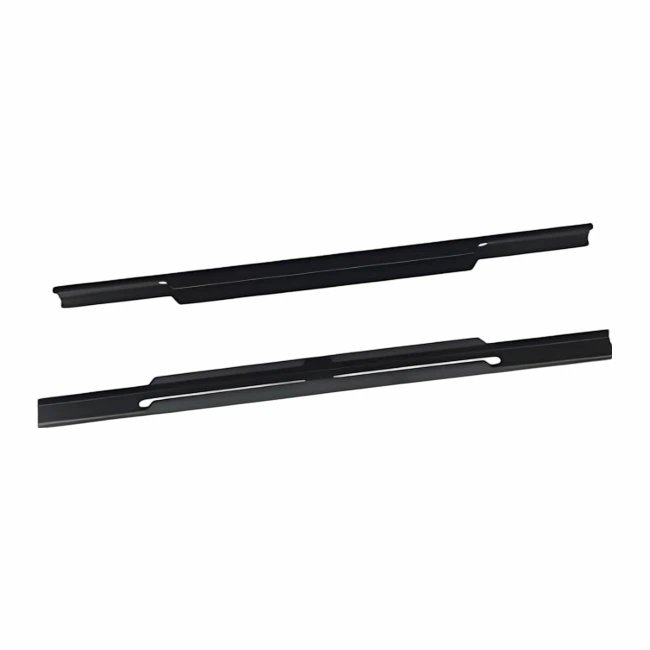
There are, however, fire - retardant plastics available. These plastics are formulated with special additives that slow down the burning process. They can self - extinguish when the ignition source is removed, reducing the risk of fire spread. Fire - retardant plastics are often used in applications where safety is a priority, such as in electrical and electronic equipment mounting brackets. You can find some of our plastic mounting brackets with fire - retardant properties in our Suspension Mounting Brackets collection.
Stainless Steel Mounting Brackets
Stainless steel combines the strength of steel with excellent corrosion resistance. In terms of fire - resistance, it has some similarities with regular steel but also some unique advantages.
Stainless steel has a similar melting point range as regular steel. However, it generally has better high - temperature strength retention compared to carbon steel. The chromium in stainless steel forms a protective oxide layer on the surface, which helps to maintain its strength at higher temperatures.
This oxide layer also provides some protection against oxidation and corrosion during a fire. Stainless steel brackets can withstand higher temperatures for a longer time without significant loss of strength. Similar to steel, stainless steel can also be coated with fire - resistant materials to enhance its fire - resistance properties.
Fiberglass Mounting Brackets
Fiberglass is a composite material made of glass fibers embedded in a resin matrix. It has excellent fire - resistance properties.
Fiberglass does not burn easily. It has a high ignition temperature and does not support combustion. When exposed to fire, fiberglass may char on the surface, but it does not release flammable gases or contribute to the spread of the fire.
The resin used in fiberglass can be formulated to be fire - retardant, further enhancing its fire - resistance. Fiberglass mounting brackets are often used in applications where fire safety is critical, such as in industrial settings or in areas with strict fire codes.
Considerations for Choosing Fire - Resistant Mounting Brackets
When selecting mounting brackets based on their fire - resistance properties, several factors should be considered.
First, the application of the mounting bracket is crucial. For example, in a residential setting, the fire risk may be relatively low, but in an industrial environment with flammable materials, high - fire - resistance brackets are essential.
Second, the expected fire conditions should be evaluated. If the area is likely to experience short - duration, low - intensity fires, brackets with moderate fire - resistance may be sufficient. However, in areas prone to long - duration, high - temperature fires, brackets with excellent fire - resistance properties are necessary.
Finally, cost is also a factor. Fire - resistant materials and treatments can increase the cost of the mounting brackets. It is important to balance the need for fire safety with the budget available.
Contact for Procurement
As a mounting brackets supplier, we understand the importance of providing high - quality, fire - resistant products. Whether you are looking for steel, aluminum, plastic, stainless steel, fiberglass, or other types of mounting brackets, we have a wide range of options to meet your needs.
If you are interested in discussing your specific requirements for mounting brackets, including their fire - resistance properties, please feel free to contact us. Our team of experts is ready to assist you in choosing the most suitable brackets for your application and can provide detailed information on the fire - resistance characteristics of our products.
References
- "Fire Resistance of Structural Steel" - American Institute of Steel Construction
- "Aluminum Alloys and Their Properties" - The Aluminum Association
- "Plastics and Fire Safety" - Society of Plastics Engineers
- "Fiberglass Composites: Properties and Applications" - Composites World


