


When it comes to mounting brackets, one of the most frequently asked questions is about their typical thicknesses. As a seasoned supplier of mounting brackets, I've encountered a wide range of inquiries regarding this topic. In this blog post, I'll delve into the typical thicknesses of various types of mounting brackets, the factors that influence these thicknesses, and why it matters for your specific applications.
Understanding the Basics of Mounting Bracket Thickness
The thickness of a mounting bracket plays a crucial role in determining its strength, durability, and overall performance. Thicker brackets generally offer greater load - bearing capacity and stability, while thinner brackets may be more suitable for lighter applications or where space and weight are concerns.
The thickness of mounting brackets is typically measured in millimeters (mm) or inches (in). In the metric system, common thicknesses range from 1 mm to 10 mm or more, depending on the type and intended use of the bracket. In the imperial system, thicknesses can vary from 0.04 inches (about 1 mm) to 0.4 inches (about 10 mm).
Typical Thicknesses of Different Types of Mounting Brackets
Interior Panel Mounting Brackets
Interior panel mounting brackets are used to secure panels inside various structures, such as cabinets, appliances, or electronic enclosures. These brackets are often designed to be lightweight and unobtrusive while still providing sufficient support for the panels.
The typical thickness of interior panel mounting brackets ranges from 1 mm to 3 mm. A 1 - mm thick bracket is suitable for very light - weight panels, such as thin plastic or cardboard panels. For slightly heavier panels, like those made of wood or medium - density fiberboard (MDF), a 2 - mm or 3 - mm thick bracket may be more appropriate. You can explore our range of Interior Panel Mounting Brackets for options that meet your specific thickness requirements.
Suspension Mounting Brackets
Suspension mounting brackets are used to hang or suspend objects, such as pipes, ducts, or lighting fixtures. These brackets need to withstand significant weight and stress, so they are typically thicker than interior panel mounting brackets.
The typical thickness of suspension mounting brackets ranges from 3 mm to 6 mm. A 3 - mm thick bracket can support moderate - weight objects, while a 6 - mm thick bracket is suitable for heavier loads, such as large pipes or industrial - grade lighting fixtures. Our Suspension Mounting Brackets are available in various thicknesses to ensure you can find the right one for your suspension needs.
Base Mounting Brackets
Base mounting brackets are used to secure objects to a base or surface, such as mounting a machine to a floor or a shelf to a wall. These brackets need to provide a stable foundation and resist lateral forces, so they are often the thickest among the common types of mounting brackets.
The typical thickness of base mounting brackets ranges from 6 mm to 10 mm or more. For light - duty applications, a 6 - mm thick bracket may be sufficient. However, for heavy - duty industrial machinery or large - scale structures, brackets with a thickness of 8 mm, 10 mm, or even more may be required. Check out our Base Mounting Brackets to find the appropriate thickness for your base - mounting projects.
Factors Influencing Mounting Bracket Thickness
Load Capacity
The most significant factor influencing the thickness of a mounting bracket is the load it needs to support. The greater the weight or force the bracket must bear, the thicker it should be. For example, a bracket used to mount a large - screen TV will need to be thicker than one used to mount a small picture frame.
Material of the Bracket
Different materials have different strength properties, which can affect the required thickness of the bracket. For instance, steel brackets are generally stronger than aluminum brackets. So, for the same load capacity, an aluminum bracket may need to be thicker than a steel bracket.
Environmental Conditions
The environment in which the bracket will be used also plays a role in determining its thickness. In harsh environments, such as areas with high humidity, extreme temperatures, or exposure to chemicals, a thicker bracket may be necessary to ensure long - term durability.
Design and Shape of the Bracket
The design and shape of the bracket can impact its strength and, therefore, the required thickness. A well - designed bracket with proper reinforcement and bends may be able to support a certain load with a thinner material compared to a simple, straight - shaped bracket.
Importance of Choosing the Right Thickness
Choosing the right thickness for your mounting brackets is crucial for several reasons. Firstly, an undersized bracket may not be able to support the load, leading to failure, which can cause damage to the object being mounted, the surrounding structure, or even pose a safety hazard.

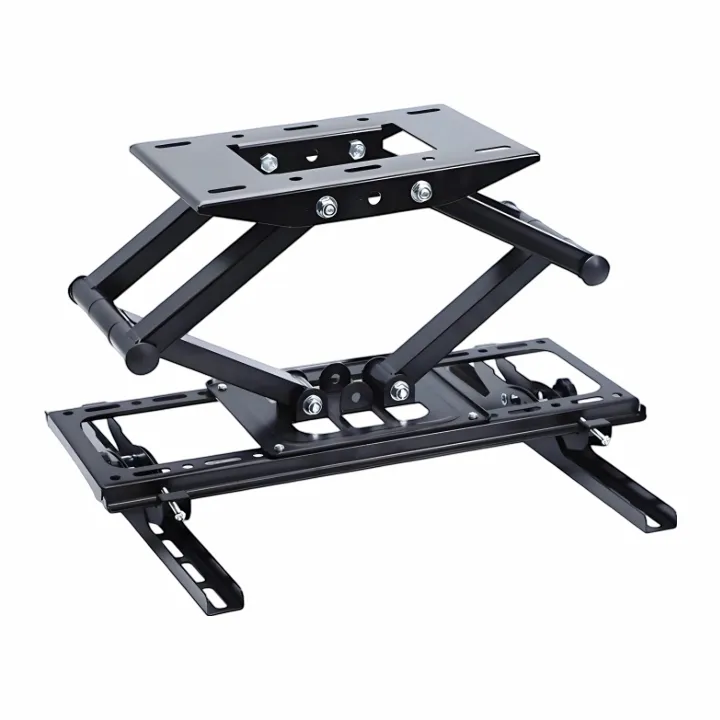
Secondly, an oversized bracket can be more expensive and heavier than necessary, which may not be cost - effective or practical, especially in applications where weight and space are limited.
How to Determine the Appropriate Thickness for Your Application
To determine the appropriate thickness for your mounting brackets, you need to consider the factors mentioned above. Start by calculating the load that the bracket will need to support. This includes the weight of the object being mounted, as well as any additional forces, such as wind or vibration.
Next, consider the material of the bracket and the environmental conditions. If you're unsure, it's always a good idea to consult with a professional engineer or an experienced supplier, like us. We have the expertise and knowledge to help you select the right thickness and type of mounting bracket for your specific application.
Contact Us for Your Mounting Bracket Needs
If you're in the market for high - quality mounting brackets and need assistance in choosing the right thickness for your project, we're here to help. Our team of experts can provide you with detailed information, product recommendations, and competitive pricing. Whether you need interior panel mounting brackets, suspension mounting brackets, or base mounting brackets, we have a wide range of options to meet your requirements. Reach out to us to start a procurement discussion and find the perfect mounting brackets for your needs.
References
- Machinery's Handbook, 31st Edition. This comprehensive reference book provides detailed information on materials, design, and engineering principles related to brackets and other mechanical components.
- ASTM International Standards. These standards cover various aspects of materials, testing, and performance requirements for metal brackets, which can be used as a guide for determining appropriate thicknesses.


