


Hey there! As a chassis shell supplier, I've seen my fair share of different types of chassis shells. One of the most common questions I get from customers is about the difference between horizontal and vertical chassis shells. So, let's dive right in and break it down.
Physical Appearance and Structure
First off, let's talk about how they look. A horizontal chassis shell is, well, laid out horizontally. It's like a big, flat box that's longer from side - to - side. Think of it as a low - slung rectangle. This design gives it a wide base, which can be great for stability.

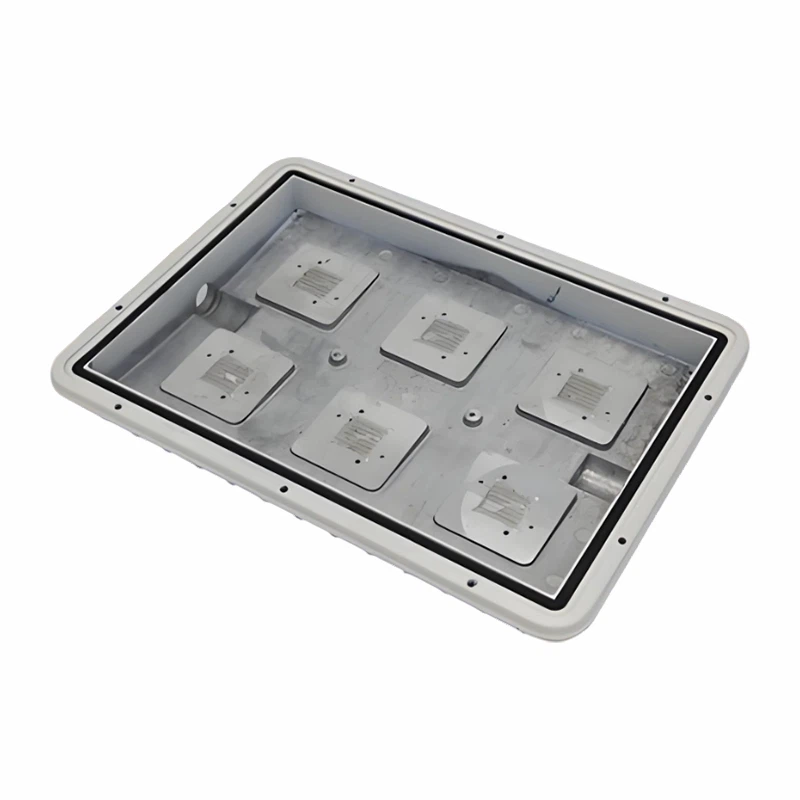
On the other hand, a vertical chassis shell stands upright. It's taller than it is wide, kind of like a tower. This vertical orientation gives it a more compact footprint on a desk or floor, which is super handy if you're short on space.
In terms of internal structure, the horizontal chassis has a more spread - out layout. Components like the motherboard, hard drives, and power supply are arranged side by side. This makes it easier to access and install parts, especially for beginners. You can just reach in and work on whatever you need to without having to twist and turn too much.
The vertical chassis, though, has a stacked structure. The motherboard is usually mounted vertically, and other components are placed above or below it. This can make it a bit more challenging to install parts, but it also allows for better cable management. Since the components are stacked, cables can be neatly routed along the sides of the chassis, reducing clutter and improving airflow.
Airflow and Cooling
Airflow is a big deal when it comes to chassis shells. In a horizontal chassis, the airflow tends to be more horizontal as well. Cool air enters from the front or side of the chassis and exits through the rear. This can be effective, but it also means that heat can get trapped in certain areas, especially if there are a lot of components packed closely together.
The vertical chassis, however, takes advantage of the natural tendency of hot air to rise. Cool air is drawn in from the bottom of the chassis, passes over the components, and then exits through the top. This creates a more efficient convection current, which can lead to better cooling overall. It's like a natural chimney effect, where the hot air just floats right out of the chassis without getting stuck.
But here's the thing: the effectiveness of the airflow also depends on the number and placement of fans. You can always add more fans to a horizontal chassis to improve cooling, and some high - end horizontal chassis come with advanced cooling systems. And in a vertical chassis, if the fans aren't properly installed or if the chassis is too cramped, the airflow can still be compromised.
Component Compatibility
When it comes to fitting components, the horizontal chassis is generally more forgiving. It can accommodate larger components, like long graphics cards and multiple hard drives, without much of a problem. Since it has a wide base, there's plenty of room to spread things out.
The vertical chassis, while it can also fit most standard components, may have some limitations. Some extremely long graphics cards might not fit properly due to the vertical orientation. And if you're planning to install a lot of hard drives or other bulky components, you might run into space issues. However, there are vertical chassis models designed specifically to handle larger components, so it's not a deal - breaker.
Aesthetics and Use Cases
Let's talk about looks. The horizontal chassis has a more traditional and understated look. It's often used in office settings or for home computers where a low - profile appearance is preferred. It can blend in nicely with a desk setup and doesn't draw too much attention.
The vertical chassis, on the other hand, has a more modern and aggressive look. It's popular among gamers and PC enthusiasts who want a show - stopping computer. The vertical design allows for more creative lighting and windowed panels, which can make the inside of the chassis look really cool.
In terms of use cases, the horizontal chassis is great for general - purpose computing, like web browsing, word processing, and light gaming. It's easy to set up and maintain, and it provides a stable platform for everyday tasks.
The vertical chassis is more suited for high - performance computing, such as gaming, video editing, and 3D modeling. The better cooling and potential for better cable management make it ideal for systems that generate a lot of heat and require high - end components.
Accessories and Customization
When it comes to accessories, both horizontal and vertical chassis have a wide range of options. You can find all sorts of things like Chassis Hooks, which are useful for hanging cables or other small items inside the chassis. Chassis Crossbeams can be added to provide extra support and stability, especially in larger chassis. And Cover Plate Dispensing is a great way to keep your chassis looking clean and organized.
In terms of customization, the vertical chassis often has more potential. Because of its vertical orientation, it can be easier to install custom lighting, water cooling systems, and other flashy mods. The vertical design also allows for more unique and eye - catching configurations. However, the horizontal chassis can also be customized, and there are plenty of aftermarket parts available to give it a personalized touch.
Which One Should You Choose?
So, which chassis shell is right for you? Well, it depends on your needs and preferences. If you're a beginner, short on budget, or just need a simple computer for everyday tasks, a horizontal chassis might be the way to go. It's easy to work with, has a classic look, and can still provide decent performance.
If you're a serious gamer, a content creator, or someone who wants the best possible cooling and a high - end look, then a vertical chassis is probably a better choice. It might be a bit more challenging to set up, but the benefits in terms of performance and aesthetics are worth it.
As a chassis shell supplier, I've helped many customers make this decision. And I'm here to help you too. Whether you're looking for a horizontal or a vertical chassis, I can provide you with high - quality products that meet your needs. If you have any questions or want to discuss your options, don't hesitate to reach out. We can have a chat about what you're looking for, and I'll do my best to find the perfect chassis shell for you.
In conclusion, both horizontal and vertical chassis shells have their pros and cons. It's all about finding the one that fits your specific requirements. So, take your time, do your research, and if you need any help, just give me a shout. Let's get you the perfect chassis shell for your next build!
References
- PC Hardware Guides: General knowledge on chassis shell design and functionality.
- Industry trade shows: Insights on the latest trends and features in horizontal and vertical chassis shells.


