


What is the electrical conductivity of seat pipe fittings?
As a dedicated supplier of Seat Pipe Fittings, I've delved deep into every aspect of these components, including a rather specialized topic: their electrical conductivity. This characteristic might not be the first thing that comes to mind when thinking about seat pipe fittings, but it plays a crucial role in modern automotive applications.
Understanding Electrical Conductivity
Electrical conductivity is a measure of a material's ability to conduct an electric current. It is the reciprocal of electrical resistivity. Materials are generally classified into three main categories based on their conductivity: conductors, semiconductors, and insulators. Conductors, such as metals, have high electrical conductivity. They allow electric charges to move freely through them. Semiconductors have intermediate conductivity, which can be controlled and modified, often used in electronic devices. Insulators, like rubber and plastic, have very low conductivity, which makes them useful for preventing the flow of electricity.
The electrical conductivity of a material is determined by its atomic structure. In metals, for example, the outer electrons of the atoms are loosely bound and can move freely throughout the material. This creates a sea of electrons that can carry an electric current when a voltage is applied.
Electrical Conductivity of Seat Pipe Fittings
Most seat pipe fittings are made from metals, primarily steel or aluminum. Steel is an alloy of iron and carbon, and sometimes other elements. It is a good conductor of electricity because of the free electrons in its atomic structure. The exact conductivity of steel depends on its composition and the presence of impurities. For instance, stainless steel, which contains chromium and nickel in addition to iron and carbon, has a different conductivity compared to plain carbon steel.
Aluminum, on the other hand, is also a highly conductive metal. It has about 60% of the conductivity of copper, which is one of the best conductors. Aluminum is lighter than steel, which makes it an attractive choice for automotive applications where weight reduction is a priority. The electrical conductivity of aluminum seat pipe fittings can be affected by factors such as surface oxidation. A thin layer of aluminum oxide can form on the surface of the aluminum, which acts as an insulator and can reduce the overall conductivity of the fitting.
Importance in Automotive Applications
In modern cars, seat pipe fittings are not just structural components. They can be part of the electrical system in several ways. For example, seat heaters are becoming increasingly common in vehicles. The seat pipe fittings may be used to provide a path for the electrical current to flow to the heating elements in the seat. Good electrical conductivity is essential to ensure efficient heat transfer and proper functioning of the seat heater.
Another example is the integration of sensors in car seats. These sensors can detect the presence and weight of a passenger, which is important for the proper deployment of airbags. The seat pipe fittings may serve as a conduit for the electrical signals from these sensors to the car's control unit. If the conductivity of the fittings is poor, the signals may be distorted or lost, leading to inaccurate readings and potentially dangerous situations.
Impact of Coating and Surface Treatment
Many seat pipe fittings are coated or treated to improve their corrosion resistance, appearance, or other properties. These coatings can have an impact on the electrical conductivity of the fittings. For example, a powder coating is a common surface treatment for seat pipe fittings. While it provides excellent protection against corrosion, it is an insulator. If the coating is too thick or covers the areas where electrical contact is required, it can significantly reduce the conductivity.
On the other hand, some coatings are designed to be conductive. For instance, a metallic coating can maintain or even enhance the electrical conductivity of the seat pipe fitting. When choosing a coating or surface treatment, it is important to consider its impact on the electrical conductivity, especially if the fitting will be used in an electrical application.
Testing and Quality Control
As a supplier of seat pipe fittings, we conduct rigorous testing to ensure the electrical conductivity meets the required specifications. One of the common methods is the four - point probe technique. This method involves applying a current through two outer probes and measuring the voltage across two inner probes. By using this technique, we can accurately determine the resistivity and thus the conductivity of the seat pipe fitting.
In addition to conductivity testing, we also perform visual inspections and other quality control measures. We check for any signs of surface damage, improper coating, or other defects that could affect the electrical conductivity or the overall performance of the fitting.
Related Products and Their Electrical Considerations
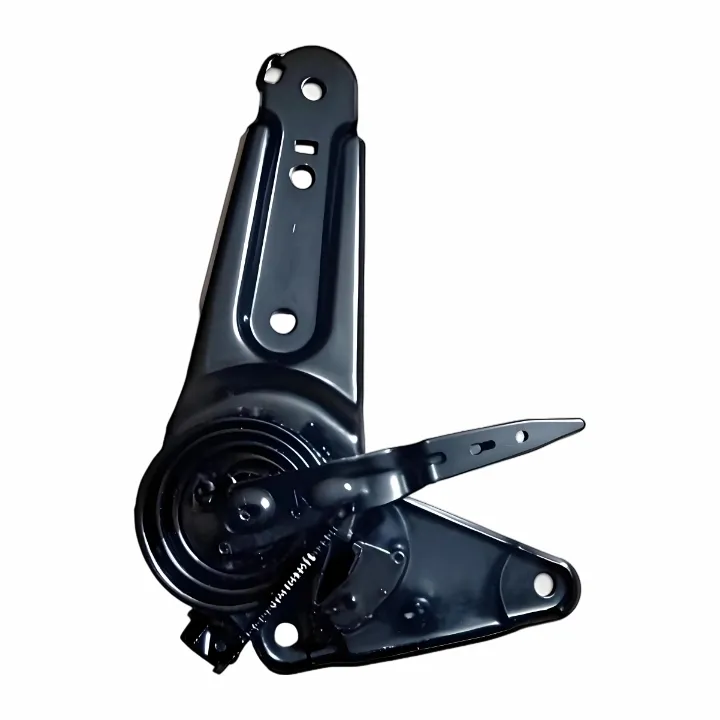
Our product range also includes Automotive Seat Angle Adjuster and Seat Angle Adjuster. These components may also have electrical features, such as electric motors for automatic adjustment. The electrical conductivity of the parts used in these adjusters is crucial for their proper operation. Similar to seat pipe fittings, they need to be made from materials with appropriate conductivity and undergo strict quality control.

Conclusion and Call to Action
In conclusion, the electrical conductivity of seat pipe fittings is an important characteristic that can affect their performance in modern automotive applications. As a reliable supplier, we are committed to providing high - quality seat pipe fittings with consistent electrical conductivity. Our products are designed and manufactured to meet the strictest industry standards.
If you are in the market for seat pipe fittings, automotive seat angle adjusters, or seat angle adjusters, we would love to have a conversation with you. Our team of experts can provide you with detailed information about our products, answer your technical questions, and discuss your specific requirements. Whether you are a car manufacturer, an aftermarket parts distributor, or a repair shop, we are here to support your needs. Contact us today to start the procurement process and explore how our products can enhance your automotive solutions.
References
- ASM Handbook Volume 2: Properties and Selection: Nonferrous Alloys and Special - Purpose Materials.
- Automotive Electrical and Electronic Systems by William H. Crouse and Donald L. Anglin.
- Materials Science and Engineering: An Introduction by William D. Callister Jr. and David G. Rethwisch.


