


The automotive industry is a complex and ever - evolving field, where every component plays a crucial role in the overall performance of a vehicle. One such component that often goes unnoticed but has a significant impact on a vehicle's performance is the chassis crossbeam. As a supplier of chassis crossbeams, I have witnessed firsthand the importance of these parts in enhancing a vehicle's torsional stiffness. In this blog, I will delve into the details of what chassis crossbeams are, how they affect a vehicle's torsional stiffness, and why this matters for the overall driving experience.
Understanding Chassis Crossbeams
Chassis crossbeams are horizontal structural members that connect the side rails of a vehicle's chassis. They are typically made of high - strength steel or aluminum and are designed to provide additional support and stability to the vehicle's frame. Crossbeams come in various shapes and sizes, depending on the vehicle's design and intended use. Some crossbeams are straight, while others are curved to fit the contours of the vehicle's body.
The primary function of chassis crossbeams is to distribute the load evenly across the vehicle's frame. When a vehicle is in motion, it is subjected to various forces, such as acceleration, braking, and cornering. These forces can cause the frame to twist and deform, which can lead to a decrease in handling and stability. Chassis crossbeams help to resist these torsional forces by providing a rigid connection between the side rails, effectively increasing the overall stiffness of the chassis.
The Concept of Torsional Stiffness
Torsional stiffness refers to a vehicle's ability to resist twisting forces. When a vehicle takes a turn, the outer wheels travel a greater distance than the inner wheels, which creates a twisting force on the chassis. A vehicle with high torsional stiffness will be able to maintain its shape and integrity under these forces, resulting in better handling, stability, and ride quality.
Torsional stiffness is measured in Newton - meters per degree (N·m/°). A higher value indicates a stiffer chassis, which means that the vehicle will be less likely to twist or deform under load. This is particularly important for high - performance vehicles, where precise handling and control are essential.
Impact of Chassis Crossbeams on Torsional Stiffness
Chassis crossbeams have a direct impact on a vehicle's torsional stiffness. By connecting the side rails, they create a more rigid structure that can better resist twisting forces. The number, location, and design of the crossbeams all play a role in determining the overall torsional stiffness of the vehicle.
Number of Crossbeams
The more crossbeams a vehicle has, the higher its torsional stiffness will be. Additional crossbeams provide more points of connection between the side rails, which helps to distribute the load more evenly and reduce the amount of twisting. However, adding too many crossbeams can also increase the weight of the vehicle, which can have a negative impact on fuel efficiency and performance. Therefore, vehicle manufacturers must find a balance between the number of crossbeams and the overall weight of the vehicle.
Location of Crossbeams
The location of the crossbeams is also crucial in determining the torsional stiffness of the vehicle. Crossbeams that are placed closer to the center of the vehicle will have a greater impact on torsional stiffness than those placed at the ends. This is because the center of the vehicle experiences the most significant twisting forces during cornering. By placing crossbeams in this area, manufacturers can effectively increase the torsional stiffness of the chassis.
Design of Crossbeams
The design of the crossbeams can also affect the torsional stiffness of the vehicle. Crossbeams with a larger cross - sectional area and a more complex shape will generally provide more stiffness than those with a smaller cross - sectional area and a simpler shape. For example, a crossbeam with a box - shaped design will be stiffer than a crossbeam with a flat design. Additionally, the material used to manufacture the crossbeams can also have an impact on their stiffness. High - strength steel and aluminum are commonly used materials due to their excellent strength - to - weight ratio.
Benefits of High Torsional Stiffness
A vehicle with high torsional stiffness offers several benefits, both in terms of performance and safety.
Improved Handling
High torsional stiffness allows the vehicle to maintain its shape and integrity during cornering, which results in better handling and control. The vehicle will be more responsive to steering inputs, and the driver will have a greater sense of confidence behind the wheel. This is particularly important for high - performance vehicles, where precise handling is essential.
Enhanced Safety
A stiffer chassis can also improve the safety of the vehicle. In the event of a collision, a vehicle with high torsional stiffness will be better able to absorb and distribute the impact forces, reducing the risk of injury to the occupants. Additionally, a stiffer chassis can help to prevent the vehicle from rolling over during sharp turns, which is a significant safety concern.
Better Ride Quality
High torsional stiffness can also improve the ride quality of the vehicle. By reducing the amount of twisting and deformation in the chassis, the vehicle will be able to provide a smoother and more comfortable ride. This is especially noticeable on rough roads or when driving at high speeds.
Our Role as a Chassis Crossbeams Supplier
As a supplier of chassis crossbeams, we understand the importance of providing high - quality products that meet the specific needs of our customers. We work closely with vehicle manufacturers to develop crossbeams that are optimized for torsional stiffness, weight, and cost.
Our crossbeams are manufactured using the latest technology and materials to ensure the highest level of quality and performance. We offer a wide range of crossbeams in different shapes, sizes, and materials to meet the diverse needs of the automotive industry. Whether you are looking for crossbeams for a high - performance sports car or a heavy - duty truck, we have the expertise and resources to provide you with the right solution.
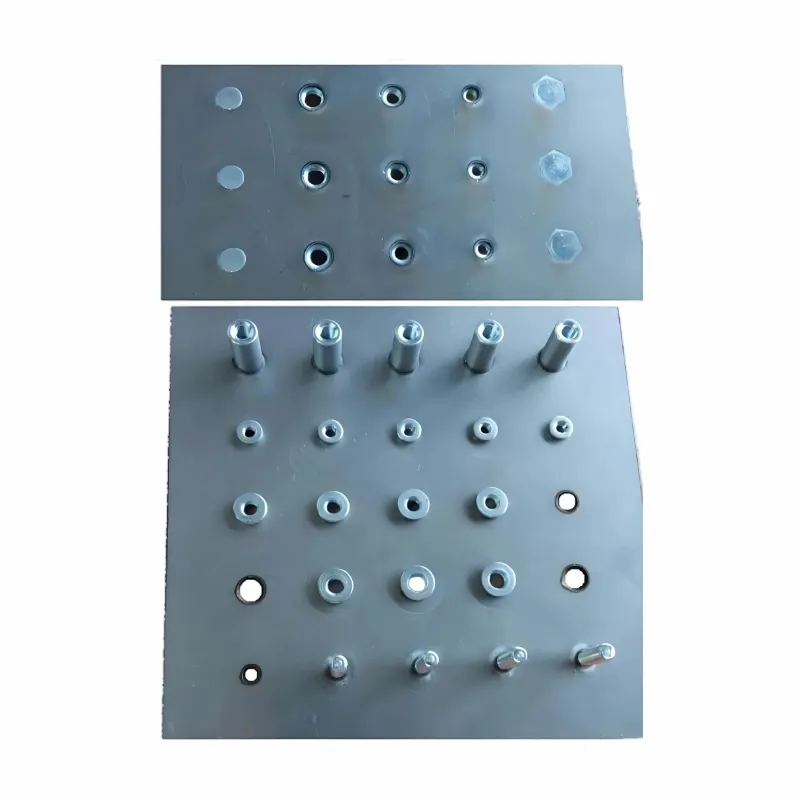
In addition to our high - quality crossbeams, we also offer a range of related products, such as Chassis Rivets, Classic Spray Paint, and Chassis Fastening Rivets. These products are designed to work together with our crossbeams to provide a complete solution for your vehicle's chassis needs.
Contact Us for Your Chassis Crossbeams Needs
If you are in the market for high - quality chassis crossbeams or related products, we invite you to contact us for a detailed discussion. Our team of experts is ready to assist you in finding the right solution for your specific requirements. Whether you are a vehicle manufacturer looking to improve the performance of your vehicles or a parts distributor looking for a reliable supplier, we are here to help.
References
- Smith, J. (2018). Automotive Chassis Design: Principles and Analysis. Elsevier.
- Johnson, A. (2019). Torsional Stiffness in Vehicle Dynamics. SAE International.
- Brown, C. (2020). The Impact of Chassis Components on Vehicle Performance. Journal of Automotive Engineering.


