


When it comes to automotive comfort and functionality, the seat angle adjuster plays a crucial role. As a leading supplier of Seat Angle Adjusters, I've been asked countless times about the maximum angle these adjusters can achieve. In this blog post, I'll delve into the technical aspects, industry standards, and factors influencing the maximum adjustment angle of seat angle adjusters.
Understanding Seat Angle Adjusters
Before we discuss the maximum adjustment angle, let's briefly understand what a seat angle adjuster is. A Seat Angle Adjuster is a mechanical or electronic device installed in car seats that allows the user to change the angle of the seat back. This adjustment provides enhanced comfort during long drives, improves posture, and can even contribute to safety by ensuring the driver has a proper line of sight.
Technical Limitations
The maximum angle a seat angle adjuster can adjust is primarily determined by its design and mechanical structure. Most seat angle adjusters on the market today can achieve an adjustment range of approximately 10 to 30 degrees. However, some high - end or specialized adjusters can offer a wider range, up to 45 degrees or more.
The design of the adjuster mechanism is a key factor. For example, a simple ratchet - based adjuster may have a more limited range due to the number of teeth on the ratchet and the size of the pawl. On the other hand, a gear - driven or motorized adjuster can provide a smoother and potentially wider range of adjustment. The materials used in the construction of the adjuster also play a role. High - strength alloys and precision - engineered components can withstand greater forces and allow for more significant angle changes.
Industry Standards
Automotive manufacturers must adhere to certain safety and comfort standards when designing car seats. These standards often influence the maximum adjustment angle of seat angle adjusters. For instance, safety regulations require that the seat back remains in a stable and secure position at all times, even during sudden stops or collisions. Therefore, the maximum angle should not compromise the structural integrity of the seat or the safety of the occupant.
Comfort standards also come into play. Ergonomic studies have shown that a seat back angle between 100 and 110 degrees is ideal for long - term sitting, as it reduces pressure on the lower back and promotes good blood circulation. While seat angle adjusters can offer a wider range, manufacturers typically design them to provide adjustments within a range that is both safe and comfortable for the majority of users.
Factors Affecting the Maximum Angle
Several external factors can also affect the maximum adjustment angle of a seat angle adjuster. The size and shape of the car interior can limit the amount of space available for the seat to recline. For example, in a compact car, the rear seat may not be able to recline as far as in a full - size sedan due to the limited legroom and headroom.
The weight and distribution of the seat occupant can also impact the adjuster's performance. Heavier individuals may put more stress on the adjuster mechanism, which could potentially limit the maximum angle or cause premature wear. Additionally, the type of seat, such as a bucket seat or a bench seat, can affect the adjustment range. Bucket seats are often designed for a more sporty driving position and may have a more restricted recline angle compared to bench seats.
Complementary Products
In addition to seat angle adjusters, other car seat accessories can enhance the overall comfort and functionality of the seat. Car Seat Slide Rails allow for forward and backward movement of the seat, providing additional flexibility in finding the perfect seating position. Seat Stampings are used to reinforce the seat structure, ensuring durability and safety. These complementary products work together with seat angle adjusters to create a more customizable and comfortable seating experience.
Applications in Different Vehicles
The maximum adjustment angle of seat angle adjusters can vary depending on the type of vehicle. In passenger cars, the focus is often on a balance between comfort and safety. A typical sedan or SUV may offer a seat angle adjustment range that allows the driver and passengers to find a comfortable position for daily commuting or long - distance travel.
In commercial vehicles, such as buses and trucks, the requirements are different. Bus seats may need to have a more limited recline angle to ensure the safety of standing passengers and to maximize the number of seats in the vehicle. Truck seats, on the other hand, may offer a wider range of adjustment to accommodate the long hours of driving and the need for different seating positions.
Future Trends
As automotive technology continues to evolve, we can expect to see further advancements in seat angle adjusters. Electric and motorized adjusters are becoming more common, offering smoother and more precise adjustments. In the future, we may see the integration of smart sensors and artificial intelligence in seat angle adjusters. These sensors could detect the driver's posture, fatigue level, and driving conditions and automatically adjust the seat angle for optimal comfort and safety.
Conclusion
In conclusion, the maximum angle a seat angle adjuster can adjust varies depending on several factors, including design, industry standards, and external factors. While most adjusters offer a range of 10 to 30 degrees, some high - end models can provide up to 45 degrees or more. As a Seat Angle Adjuster supplier, we are committed to providing high - quality products that meet the diverse needs of our customers.
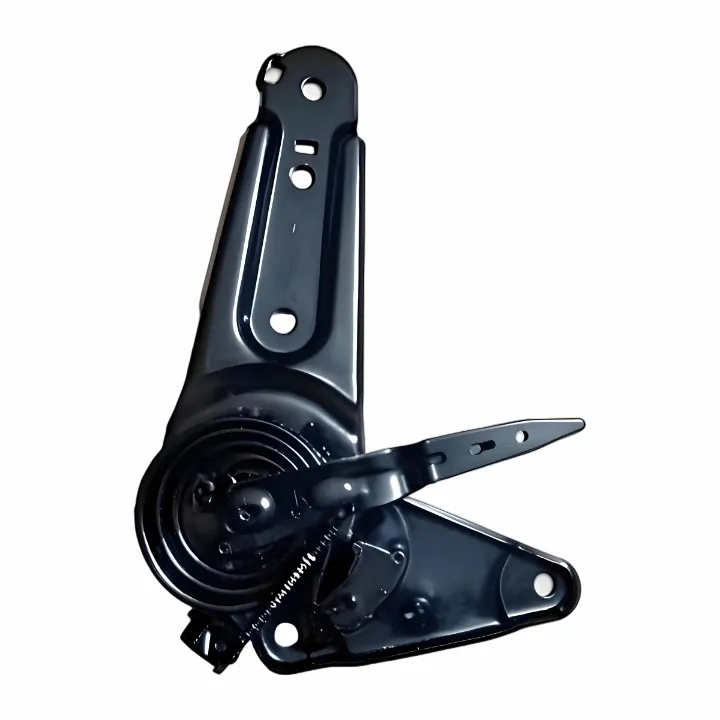

If you're in the market for seat angle adjusters or other car seat accessories, we'd love to have a conversation with you. Whether you're an automotive manufacturer looking for reliable components or an individual seeking to upgrade your car seat, we have the expertise and products to meet your requirements. Contact us today to start a procurement discussion and find the perfect solution for your needs.
References
- Automotive Ergonomics Handbook, 2nd Edition
- Safety Standards for Automotive Seating Systems, International Organization for Standardization (ISO)
- Technical Papers on Automotive Seat Design and Comfort, Society of Automotive Engineers (SAE)


