


Hey there! As a supplier of Base Mounting Brackets, I often get asked about the torsional strength of these crucial components. So, let's dive right in and break down what torsional strength means for base mounting brackets.
First off, what's torsional strength? Well, it's the ability of a material or a structure to resist twisting forces. When we talk about base mounting brackets, they're used to secure all sorts of equipment, from small appliances to heavy - duty machinery. And in many real - world scenarios, these brackets are subjected to twisting or torsional loads.
Imagine a large industrial machine that vibrates during operation. The base mounting brackets holding it in place have to withstand the twisting forces generated by these vibrations. If the torsional strength of the brackets is too low, they can start to deform, which might lead to misalignment of the equipment. This misalignment can cause premature wear and tear on the machine's parts, reduce its efficiency, and in the worst - case scenario, even lead to a complete breakdown.
So, how do we measure the torsional strength of base mounting brackets? There are several factors at play. The material of the bracket is a huge one. For example, brackets made from high - strength steel generally have better torsional strength compared to those made from aluminum. Steel has a higher modulus of rigidity, which means it can resist deformation under torsional loads more effectively.
The design of the bracket also matters a great deal. A well - designed bracket with proper reinforcement and a shape that distributes the torsional forces evenly will have better torsional strength. For instance, a bracket with a wider base and strategically placed ribs can transfer the twisting forces more efficiently to the mounting surface, reducing the stress on the bracket itself.
Another important aspect is the manufacturing process. Precision - made brackets that are formed using advanced techniques like forging or CNC machining tend to have more consistent torsional strength. These processes ensure that the material properties are uniform throughout the bracket, minimizing weak spots that could lead to failure under torsional loads.
Now, let's talk about the different types of base mounting brackets we offer. We have Interior Panel Mounting Brackets. These are often used in home appliances and require a certain level of torsional strength to keep the interior panels securely in place. Even though they might seem small, they still need to resist any twisting forces that could occur during normal use or when the appliance is moved.
Our Data Interface Mounting Brackets are used to secure data ports and interfaces in various devices. In a world where data transfer is crucial, these brackets need to have sufficient torsional strength to prevent any misalignment that could disrupt the data flow.
And then there are Suspension Mounting Brackets. These are used in applications where there's a lot of movement and vibration, like in some types of machinery or vehicles. They need to be able to handle significant torsional forces to keep the suspension system stable.
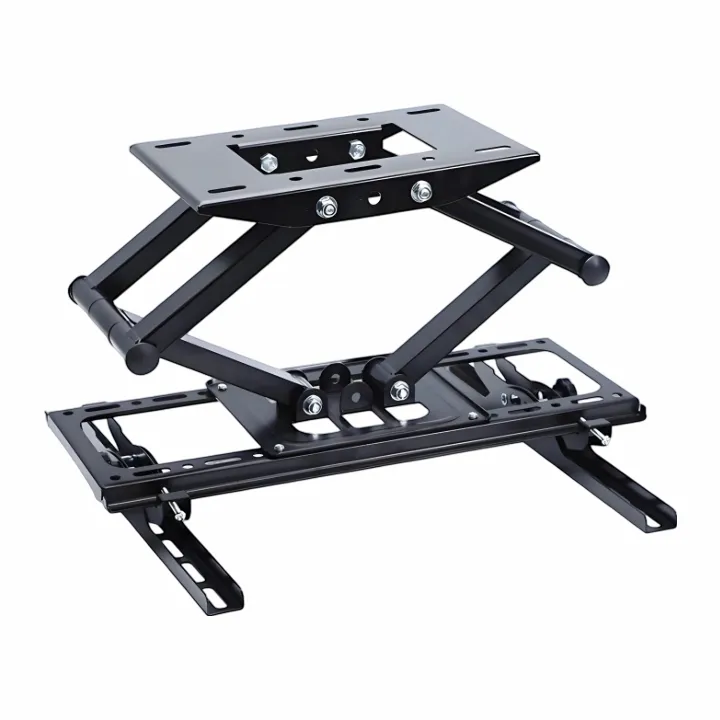
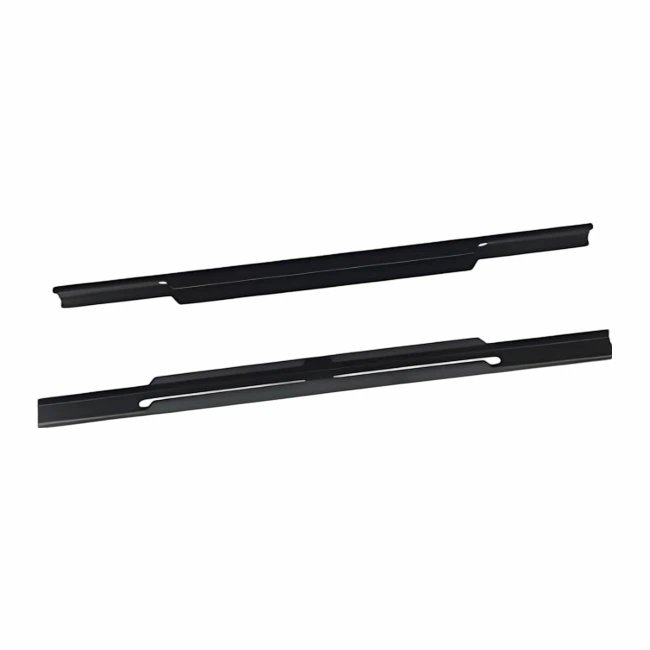
When it comes to choosing the right base mounting bracket for your application, it's essential to consider the torsional strength requirements. You need to think about the type of equipment it will be used with, the amount of vibration and movement it will experience, and the environmental conditions. For example, if the equipment is located in an area with high humidity or corrosive substances, you might need a bracket with a protective coating to maintain its torsional strength over time.
We, as a supplier, understand the importance of torsional strength in base mounting brackets. That's why we invest a lot of time and resources in research and development to ensure that our brackets meet the highest standards. We test each batch of brackets in our state - of - the - art laboratories to make sure they can withstand the specified torsional loads.
If you're in the market for base mounting brackets, whether it's for a small home project or a large industrial application, we're here to help. We can provide you with detailed information about the torsional strength of our products and help you choose the right bracket for your needs. Our team of experts is always ready to answer any questions you might have and guide you through the selection process.
Don't hesitate to reach out to us if you're interested in learning more or if you're ready to start a procurement discussion. We're confident that our base mounting brackets will meet your requirements and provide long - lasting performance.
References
- "Mechanical Engineering Design" by Joseph E. Shigley and Charles R. Mischke
- "Materials Science and Engineering: An Introduction" by William D. Callister Jr. and David G. Rethwisch


