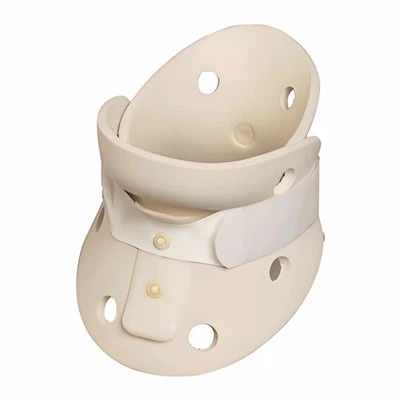
Injection molded parts are common plastic products manufactured through the injection molding process and are widely used in a variety of fields, including automotive, electronics, medical, and home appliances.
This process involves heating and melting thermoplastic or thermosetting plastic pellets, injecting them into a metal mold under high pressure, and then cooling and solidifying them. The result is a component with precise dimensions and complex structures.
The core advantages of injection molded parts lie in their high precision and high-volume production capabilities. Modern injection molding technology can achieve micron-level dimensional tolerances, ensuring product consistency and interchangeability. Furthermore, the high durability of molds allows for single production cycles to be shortened to seconds, significantly improving production efficiency and reducing unit costs. Furthermore, the injection molding process supports multi-material composite molding, such as insert molding (pre-placement of metal or plastic components into the mold) and two-shot molding, enabling products to achieve diverse functions and appearances.

In terms of material selection, commonly used injection molding materials include polypropylene (PP), polyethylene (PE), nylon (PA), and engineering plastics such as ABS and PC. These materials can be tailored to meet application requirements, such as enhancing heat resistance, impact resistance, or electrical insulation. For example, automotive interior components often use lightweight and high-temperature-resistant PP materials, while electronic connectors rely on high-rigidity, flame-retardant engineering plastics to ensure safety.
With the advancement of Industry 4.0, intelligent injection molding equipment is becoming increasingly popular. Using sensors and data analysis to optimize production parameters, it further reduces scrap rates. However, the design of injection molded parts still requires consideration of engineering details such as draft angle and wall thickness uniformity to avoid defects such as sink marks and warpage. In the future, the use of environmentally friendly materials and more efficient mold technologies will become key development directions for the industry, driving the development of high-performance and sustainable injection molded parts.