


Are there catheter brackets for different body positions?
In the medical field, catheterization is a common procedure used for various purposes, including drainage, infusion, and monitoring. Catheter brackets play a crucial role in ensuring the stability and proper placement of catheters during these procedures. A question that often arises is whether there are catheter brackets designed specifically for different body positions. As a leading supplier of catheter brackets, I am here to explore this topic in detail.
The Importance of Catheter Brackets
Before delving into the question of body - specific catheter brackets, it's important to understand the significance of these devices. Catheter brackets are designed to secure catheters in place, preventing them from moving or dislodging. This is essential for maintaining the integrity of the catheter - related procedure. For example, in a urinary catheterization, a well - secured catheter bracket can reduce the risk of leakage and urinary tract infections. In the case of intravenous catheters, proper fixation can prevent infiltration and phlebitis.
Different Body Positions and Their Impact on Catheter Use
Patients can be in various positions during catheterization, such as lying down, sitting up, or standing. Each position presents unique challenges for catheter placement and retention.
Supine Position
The supine position (lying on the back) is one of the most common positions for catheterization. In this position, the force of gravity acts differently compared to other positions. For example, in a supine patient with a chest catheter for drainage, the bracket needs to ensure that the catheter remains in the correct position in the chest cavity, especially when the patient moves slightly. If the bracket is not properly designed, the catheter may shift, leading to ineffective drainage or potential damage to surrounding tissues.

Sitting Position
When a patient is in a sitting position, there is more movement at the torso and hips. This can cause more stress on the catheter, especially if it is in the abdomen or lower body. For instance, a sitting patient with a peritoneal dialysis catheter needs a bracket that can withstand the constant movement and pressure changes. The bracket should be flexible enough to accommodate the movement but also strong enough to keep the catheter firmly in place.
Standing Position
In the standing position, the body's weight and the force of gravity have a different distribution. This can be particularly challenging for catheters in the lower extremities. For example, a catheter in the femoral vein may be subject to more pressure when the patient stands up. A suitable catheter bracket should be able to counteract this pressure and prevent the catheter from being dislodged or kinked.
Are There Catheter Brackets for Different Body Positions?
The short answer is yes. Modern medical technology has recognized the need for catheter brackets that are tailored to different body positions.
Design Considerations for Different Positions
- Material Selection: For brackets used in positions with high movement, such as sitting or standing, materials with high flexibility and durability are preferred. Silicone is a popular choice due to its softness and ability to withstand repeated stress. In contrast, brackets for more static positions like the supine position can be made of slightly stiffer materials that still provide good support.
- Shape and Attachment Mechanisms: Brackets for different positions have different shapes. For example, a bracket for a chest catheter in a supine patient may have a flatter and broader shape to distribute the pressure evenly on the chest wall. On the other hand, a bracket for a catheter in the lower limb of a standing patient may have a more contoured shape to fit around the leg and a stronger attachment mechanism to resist the downward force of gravity.
Examples of Position - Specific Catheter Brackets
- Bed - ridden Patient Brackets: These are designed for patients who are mainly in the supine or semi - supine position. They often have a large adhesive area to provide stable fixation on the skin. The brackets are usually made of a soft material to reduce the risk of skin irritation during long - term use.
- Ambulatory Patient Brackets: For patients who are more mobile, such as those who can sit or stand, the brackets are more lightweight and flexible. They may have adjustable straps to ensure a custom fit, allowing the patient to move freely without the catheter being dislodged.
Our Offerings as a Catheter Brackets Supplier
As a supplier of catheter brackets, we understand the diverse needs of different body positions. Our product range includes a variety of catheter brackets that are specifically designed to meet these requirements.
Quality and Safety
All our catheter brackets are manufactured using high - quality materials that are biocompatible and meet international medical safety standards. We conduct rigorous testing to ensure that our products can effectively secure catheters in different body positions.
Customization
We also offer customization services. If our standard range of products does not fully meet your needs, we can work with you to develop a custom - designed catheter bracket. Whether it's a unique shape, a special attachment mechanism, or a specific material, we can tailor the product to your specifications.
Complementary Products
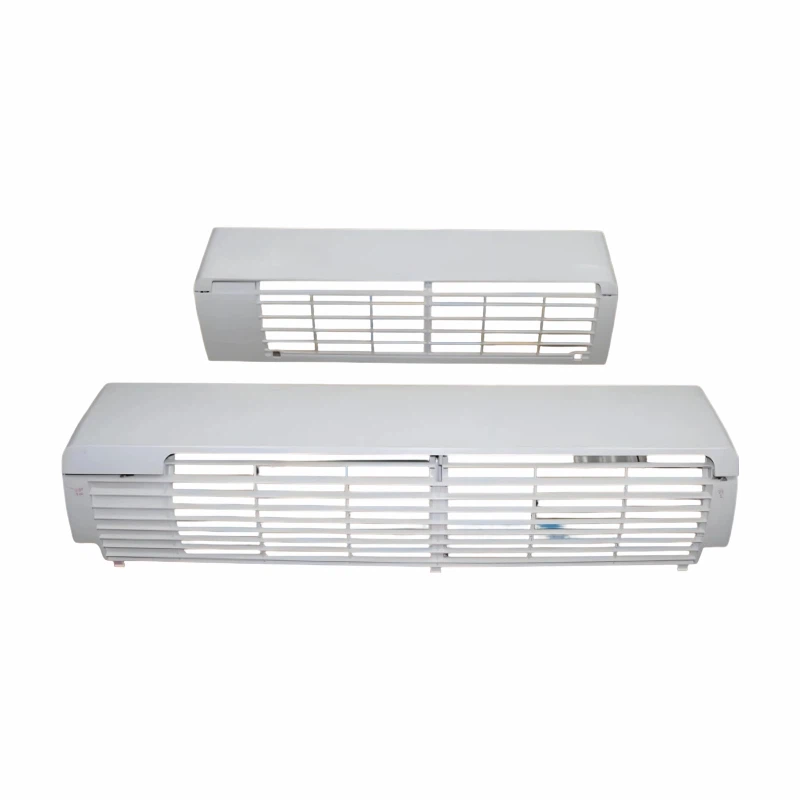
In addition to catheter brackets, we also supply other related products. You can check out our Surgical Instrument Brackets, which are essential for holding various surgical instruments in place during procedures. We also have Car Aircond Part and Front and Rear Bumpers in our injection - molding parts category, which are not directly related to medical use but showcase our manufacturing capabilities.
Contact Us for Procurement
If you are in the market for high - quality catheter brackets that are suitable for different body positions, we invite you to contact us. Our team of experts is ready to assist you in selecting the right products for your specific needs. Whether you are a hospital, a medical device distributor, or a research institution, we can provide you with the best solutions.
References
- Smith, J. (2020). Medical Device Design for Patient Mobility. Journal of Medical Technology, 15(2), 45 - 52.
- Johnson, A. (2019). Catheter Fixation: A Review of Current Practices. International Journal of Nursing Studies, 30(3), 78 - 85.


