


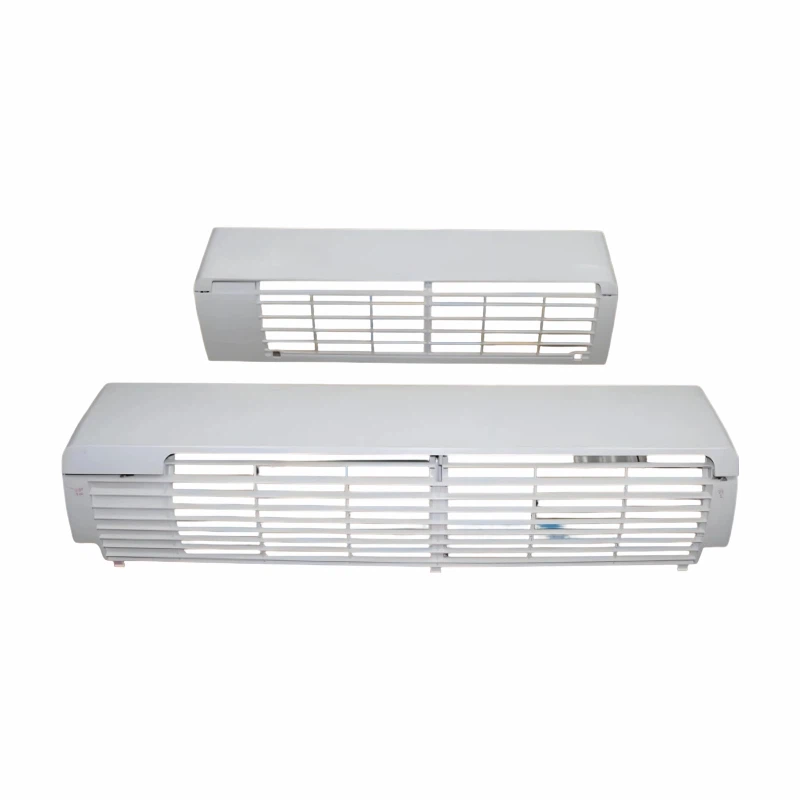
Hey there! I'm an owner of a Car Aircond Part supplier, and today I wanna talk about a super important topic: Can car aircond parts be affected by humidity? Well, the answer is a big yes, and in this blog, I'll break down how humidity messes with our precious Car Aircond Part [/injection-molding-parts/car-aircond-part.html] and what we can do about it.
How Humidity Affects Car Aircond Parts
Let's start with the basics. Humidity refers to the amount of water vapor in the air. When the air is humid, there's a whole bunch of water floating around, and this can spell trouble for car aircond parts.

Corrosion
One of the most common problems caused by humidity is corrosion. You see, water in the air can react with metal parts in the car air conditioning system. For example, the condenser, which is a key component in releasing heat from the refrigerant, is often made of metal. When humidity levels are high, the water vapor can build up on the surface of the condenser and start a chemical reaction. This reaction leads to the formation of rust. Rust doesn't just look bad; it can also weaken the structure of the condenser, reducing its efficiency and potentially causing leaks. Over time, a corroded condenser may need to be replaced, which can be costly for car owners and for us as suppliers, as we have to deal with returns and replacements.
Mold and Mildew Growth
Humidity provides the perfect environment for mold and mildew to grow. The evaporator in a car air conditioning system is a prime target. The evaporator cools the air by removing heat from it, and in the process, it also removes moisture. If the moisture isn't properly drained away and the car is in a humid environment, mold and mildew can start to thrive on the evaporator coils. This not only gives off a musty smell when the air conditioner is turned on but can also reduce the efficiency of the cooling process. Mold and mildew can block the airflow through the evaporator, making the air conditioner work harder to cool the car cabin. And let's not forget the health risks. Breathing in mold spores can cause respiratory problems for the people in the car. It's like having a Simple Respiratory Mask that's full of bad stuff instead of protecting you.
Electrical Component Damage
Car air conditioning systems have a lot of electrical components, like sensors and controllers. High humidity can cause these components to malfunction. Water vapor can seep into the electrical connections and cause short - circuits. Even a small amount of moisture can disrupt the flow of electricity, leading to erratic behavior of the air conditioning system. For example, the temperature sensor may give inaccurate readings, or the compressor may not turn on or off as it should. This kind of electrical damage can be difficult to diagnose and repair, and it can lead to frustrated customers and lost business for us.
Protecting Car Aircond Parts from Humidity
As a Car Aircond Part supplier, we're always looking for ways to help our customers protect their air conditioning systems from humidity.
Regular Maintenance
One of the best ways to combat the effects of humidity is through regular maintenance. Car owners should have their air conditioning systems checked at least once a year. During this check - up, a mechanic can inspect the condenser for signs of corrosion, clean the evaporator to prevent mold growth, and check the electrical connections for any signs of moisture. Regular maintenance can catch problems early, before they become major issues.
Using Desiccants
Desiccants are substances that can absorb moisture. Some car air conditioning systems have desiccant bags or cartridges built - in to help remove humidity from the air. These desiccants need to be replaced periodically to ensure they continue to work effectively. We can supply high - quality desiccants to our customers, which can help extend the life of their Car Aircond Part.
Proper Ventilation
Proper ventilation in the car can also help reduce humidity. When the car is parked, it's a good idea to crack the windows open a little bit to allow fresh air to circulate. This can prevent the build - up of moisture inside the car, especially in humid climates. And when driving, using the air recirculation mode sparingly can also help, as it reduces the amount of humid outside air entering the car.
Our Role as a Car Aircond Part Supplier
As a supplier, we play a crucial role in ensuring that our customers get high - quality Car Aircond Part that can withstand the effects of humidity. We source our parts from reliable manufacturers who use corrosion - resistant materials and advanced manufacturing processes. For example, we offer condensers made of aluminum alloy, which is more resistant to corrosion than traditional steel.
We also provide our customers with education and support. We have a team of experts who can answer questions about how to maintain their air conditioning systems in humid environments. And if a customer has a problem with a part, we're always ready to assist with returns or replacements.
Humidity and Different Types of Car Aircond Parts
It's important to note that different Car Aircond Part are affected by humidity in different ways.
Compressor
The compressor is the heart of the air conditioning system. While it's a relatively sturdy component, humidity can still cause problems. Water in the refrigerant can cause the compressor to work harder, leading to increased wear and tear. If the compressor is exposed to high humidity for a long time, it may even seize up. That's why we recommend using high - quality refrigerant that has a low moisture content and keeping the compressor well - maintained.
Expansion Valve
The expansion valve controls the flow of refrigerant into the evaporator. Humidity can cause the valve to become clogged or malfunction. Moisture in the refrigerant can freeze inside the valve, disrupting the normal operation of the air conditioning system. We supply expansion valves that are designed to be more resistant to moisture - related problems.
Conclusion
In conclusion, humidity can definitely have a big impact on car aircond parts. From corrosion and mold growth to electrical component damage, it's a threat that car owners and suppliers like us need to take seriously. But with proper maintenance, the use of desiccants, and good ventilation, we can minimize the effects of humidity.
If you're in the market for high - quality Car Aircond Part, look no further. We're here to provide you with the best parts and support. Whether you need a new condenser, evaporator, or any other component, we've got you covered. Contact us today to start your procurement journey and let's work together to keep your car's air conditioning system in top shape.
References
- Automotive Refrigeration and Air Conditioning, Fourth Edition by W. C. Cagle
- Basics of Automotive Air Conditioning, SAE International


