


Can classic spray paint be used on rubber? This is a question that many people in the DIY community, industrial users, and even casual hobbyists often ask. As a long - time supplier of classic spray paint, I've encountered this query numerous times, and I'm here to provide a comprehensive answer based on scientific knowledge and practical experience.
Understanding Classic Spray Paint
Classic spray paint is a popular choice for a wide range of applications due to its ease of use, quick drying time, and ability to provide an even finish. It typically consists of a pigment, a binder, and a solvent. The pigment gives the paint its color, the binder holds the pigment particles together and adheres them to the surface, and the solvent keeps the paint in a liquid state until it's sprayed and then evaporates, allowing the paint to dry.
Traditional classic spray paints are formulated for various surfaces such as metal, wood, and plastic. They are engineered to adhere well to these hard and relatively non - porous materials. However, rubber is a different beast altogether.
Characteristics of Rubber
Rubber is a flexible, elastic material with unique chemical and physical properties. It is made up of polymers, which are long chains of molecules that give rubber its stretchy nature. Rubber can be natural (derived from latex) or synthetic (such as neoprene, silicone, or EPDM).
One of the key features of rubber is its surface energy. Surface energy refers to the amount of energy required to create a new surface area on a material. Rubber generally has a low surface energy, which means that it is difficult for other substances, including paint, to adhere to it. Additionally, rubber is often treated with various additives such as plasticizers, antioxidants, and stabilizers. These additives can migrate to the surface of the rubber over time, causing issues with paint adhesion.
The Challenges of Using Classic Spray Paint on Rubber
Adhesion Problems
As mentioned earlier, the low surface energy of rubber makes it challenging for classic spray paint to bond effectively. When the paint is applied, it may bead up or not spread evenly across the rubber surface. Even if the paint initially seems to adhere, the long - term durability is often poor. The paint may start to peel, crack, or flake off after a short period, especially when the rubber is bent, stretched, or exposed to environmental factors.
Compatibility Issues
Classic spray paints may contain solvents that can react with the rubber. Some solvents can dissolve or swell the rubber, causing it to lose its shape, flexibility, or mechanical properties. For example, certain organic solvents in the paint can attack the polymer chains in the rubber, leading to degradation. This not only affects the appearance of the rubber but also its functionality.
Flexibility Mismatch
Rubber is highly flexible, and it can undergo significant deformation during normal use. Classic spray paints, on the other hand, are usually designed for rigid surfaces and do not have the same level of flexibility. When the rubber flexes, the paint cannot stretch with it, resulting in cracking and peeling.
Solutions and Alternatives
Surface Preparation
Proper surface preparation is crucial when attempting to paint rubber with classic spray paint. First, the rubber surface should be thoroughly cleaned to remove any dirt, grease, or contaminants. A mild detergent and water can be used for this purpose, followed by a rinse and drying.
Next, the surface can be lightly abraded using fine - grit sandpaper. This helps to increase the surface area and improve the mechanical bonding between the paint and the rubber. However, be careful not to sand too aggressively, as this can damage the rubber.
After sanding, a primer specifically designed for rubber can be applied. Primers are formulated to improve paint adhesion by creating a bonding layer between the rubber and the top - coat paint. They can help to overcome the low surface energy of rubber and provide a better surface for the classic spray paint to adhere to.
Specialized Rubber Paints
If possible, it is recommended to use specialized rubber paints instead of classic spray paint. These paints are formulated to have better adhesion and flexibility on rubber surfaces. They are designed to withstand the movement and environmental conditions that rubber is typically exposed to. Specialized rubber paints often contain additives that enhance their compatibility with rubber and prevent issues such as cracking and peeling.
Industrial Applications and Considerations
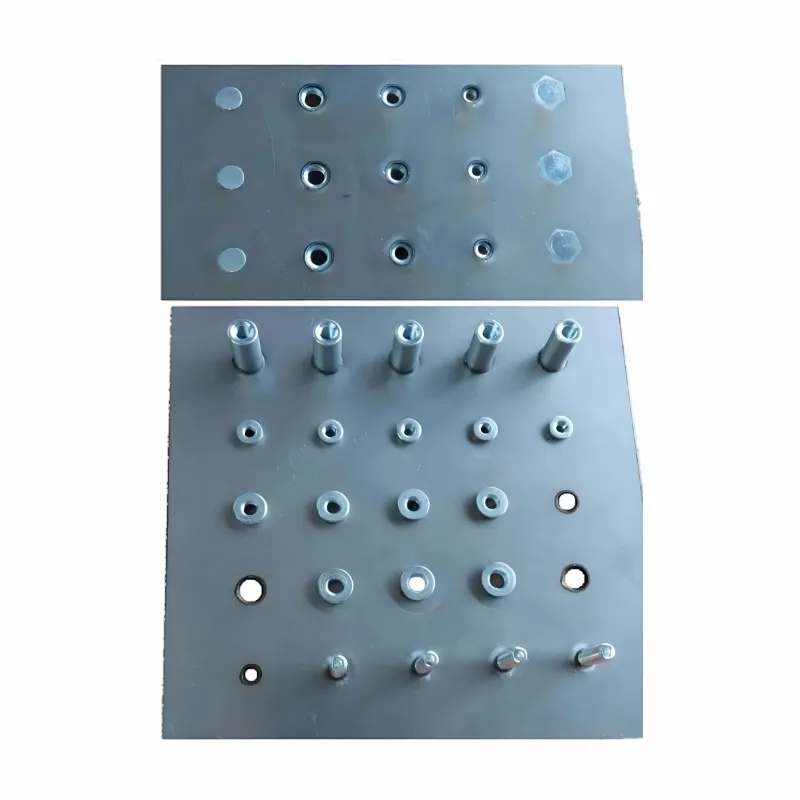
In industrial settings, the question of using classic spray paint on rubber is also relevant. For example, in the automotive industry, rubber components such as seals, gaskets, and hoses may need to be painted for aesthetic or functional reasons. In the manufacturing of Chassis Rivets, Cover Plate Dispensing, and Chassis Hooks, rubber parts may be involved, and the painting process needs to be carefully considered.
Industrial users need to ensure that the paint used on rubber does not affect the performance of the rubber components. For example, in a sealing application, the paint should not interfere with the rubber's ability to create a tight seal. Additionally, the paint should be able to withstand the operating conditions, such as temperature, humidity, and chemical exposure.
Tips for Successful Painting on Rubber
If you still decide to use classic spray paint on rubber, here are some tips to increase your chances of success:
- Test First: Always perform a small test on a hidden area of the rubber before applying the paint to the entire surface. This will allow you to see how the paint adheres and whether there are any compatibility issues.
- Thin Coats: Apply thin coats of paint rather than one thick coat. Thin coats are less likely to crack and are more likely to adhere well to the rubber surface. Allow each coat to dry completely before applying the next one.
- Environmental Conditions: Paint in a clean, dry, and well - ventilated area. Avoid painting in high humidity or extreme temperatures, as these conditions can affect the drying process and paint adhesion.
- Curing Time: Give the paint enough time to cure. Curing is the process by which the paint fully hardens and develops its final properties. Follow the manufacturer's instructions regarding the curing time.
Conclusion
In conclusion, while it is possible to use classic spray paint on rubber, it is not without its challenges. The low surface energy, additives, and flexibility of rubber make it difficult for classic spray paint to adhere properly and last. However, with proper surface preparation, the use of primers, and careful application techniques, it may be possible to achieve acceptable results.
If you have a project that involves painting rubber, I encourage you to reach out to us. As a supplier of classic spray paint, we have extensive knowledge and experience in the field. We can provide you with advice on the best products and techniques for your specific needs. Whether you are a DIY enthusiast or an industrial user, we are here to help you make the right choices for your painting projects. Contact us for more information and to discuss your procurement requirements.
References
- "The Science of Coatings" by John W. Taylor
- "Rubber Technology" by Maurice Morton
- Various technical data sheets from paint and rubber manufacturers


