


Maintaining a home antenna pole is crucial for ensuring optimal performance and longevity of your antenna system. As a supplier of Home Antenna Pole, I understand the importance of proper maintenance. In this blog post, I will share some practical tips on how to maintain your home antenna pole effectively.
Regular Inspections
Regular inspections are the first step in maintaining a home antenna pole. You should visually inspect the pole at least once a month, especially after severe weather conditions such as storms, high winds, or heavy snow. Look for any signs of damage, including cracks, bends, rust, or loose connections. Pay close attention to the base of the pole, as this is where most stress occurs. If you notice any issues, address them immediately to prevent further damage.
Cleaning
Cleaning your antenna pole is an essential part of maintenance. Over time, dirt, debris, and bird droppings can accumulate on the pole, which can affect its performance and appearance. Use a mild detergent and water solution to clean the pole, and a soft brush or cloth to remove any stubborn stains. Avoid using abrasive cleaners or tools, as these can scratch the surface of the pole and cause damage. Rinse the pole thoroughly with water and allow it to dry completely before reinstalling the antenna.
Rust Prevention
Rust is a common problem for metal antenna poles, especially in areas with high humidity or saltwater exposure. To prevent rust, you should apply a rust-resistant coating to the pole. There are many different types of rust-resistant coatings available on the market, including paints, primers, and sprays. Choose a coating that is specifically designed for outdoor use and is compatible with the material of your pole. Apply the coating according to the manufacturer's instructions, and make sure to cover all exposed surfaces of the pole.
Tightening Connections
Loose connections can cause signal loss and other problems with your antenna system. Regularly check the connections between the antenna, the pole, and the coaxial cable, and tighten any loose bolts or nuts. Use a torque wrench to ensure that the connections are tightened to the correct specifications. If you notice any damaged or worn-out connectors, replace them immediately.
Alignment
Proper alignment of your antenna is crucial for optimal performance. Over time, the antenna may become misaligned due to wind, vibration, or other factors. Use a signal strength meter or a TV tuner to check the alignment of your antenna, and adjust it as needed. Make small adjustments at a time, and check the signal strength after each adjustment. If you are unsure how to align your antenna, consult the manufacturer's instructions or a professional installer.
Grounding
Grounding your antenna pole is an important safety measure that can protect your home and your equipment from lightning strikes. A properly grounded antenna pole can help to divert the electrical current from a lightning strike safely into the ground. To ground your antenna pole, you should install a grounding rod near the base of the pole and connect it to the pole using a grounding wire. Make sure that the grounding rod is at least 8 feet long and is driven into the ground at a depth of at least 6 feet.
Maintenance of Mounting Brackets
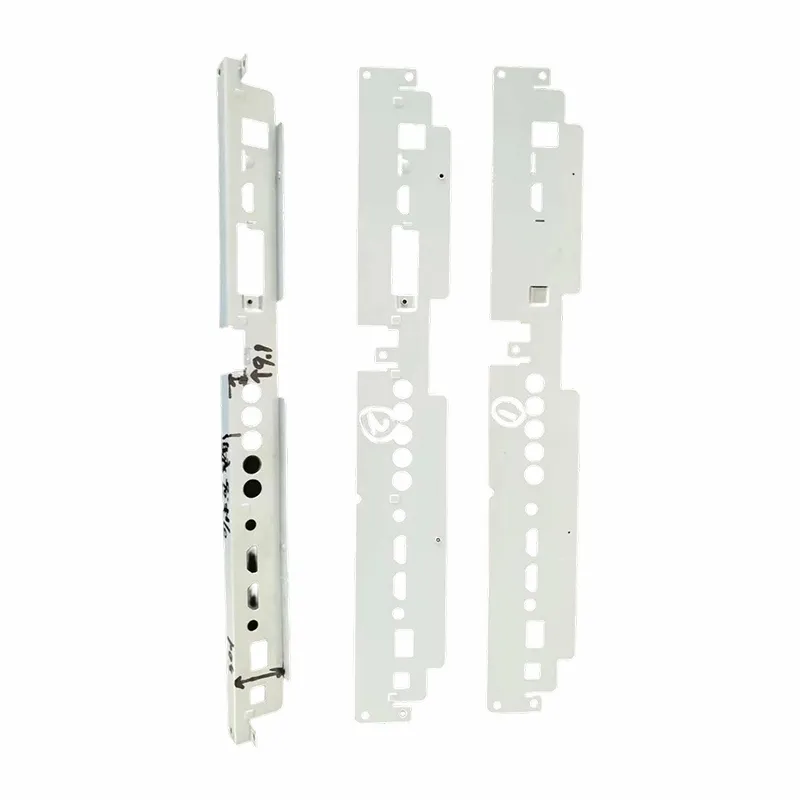
In addition to maintaining the antenna pole itself, it is also important to maintain the mounting brackets that hold the pole in place. Interior Panel Mounting Brackets and Data Interface Mounting Brackets are commonly used to secure the antenna pole. Regularly inspect these brackets for any signs of damage or wear, and tighten any loose screws or bolts. If the brackets are damaged beyond repair, replace them immediately to ensure the stability of the antenna pole.
Professional Maintenance
While regular maintenance can help to keep your antenna pole in good condition, it is also a good idea to have your antenna system professionally maintained at least once a year. A professional installer can perform a comprehensive inspection of your antenna system, including the pole, the antenna, the coaxial cable, and the grounding system. They can also make any necessary repairs or adjustments to ensure that your antenna system is working properly.
Conclusion
Maintaining a home antenna pole is not difficult, but it does require regular attention and care. By following the tips outlined in this blog post, you can ensure that your antenna pole remains in good condition and provides optimal performance for many years to come. Remember to perform regular inspections, clean the pole, prevent rust, tighten connections, align the antenna, ground the pole, maintain the mounting brackets, and consider professional maintenance.
If you are in the market for a high-quality Home Antenna Pole or need further advice on antenna pole maintenance, please feel free to contact us. We are here to help you find the best solution for your needs and ensure that your antenna system performs at its best.
References
- Antenna Installation and Maintenance Guide, Various Manufacturers
- Electrical Safety Standards for Antenna Systems, National Electrical Code


