


In the realm of metal stamping, die inserts play a pivotal and multi - faceted role. As a seasoned Metal Stamping Dies supplier, I've witnessed firsthand how these seemingly small components can make a world of difference in the efficiency, quality, and cost - effectiveness of the stamping process.
The Basics of Die Inserts in Metal Stamping Dies
Die inserts are replaceable components that are installed into the main body of a metal stamping die. They are designed to perform specific functions during the stamping operation, such as cutting, forming, or bending the metal sheet. These inserts are typically made from high - strength materials like tool steel, carbide, or ceramic, which can withstand the high pressures and stresses involved in metal stamping.
One of the primary advantages of using die inserts is their ability to enhance the die's durability. Since the inserts are made from materials with superior wear resistance, they can endure the repeated impacts and friction that occur during stamping. This means that the main die body is less likely to be damaged, extending the overall lifespan of the die. For example, in a high - volume stamping operation where thousands of parts are produced daily, a die with well - designed inserts can last significantly longer than one without, reducing the frequency of die replacements and associated costs.
Precision and Quality Control
Die inserts are crucial for achieving high - precision stamping. They can be machined to extremely tight tolerances, ensuring that each stamped part meets the exact specifications required. This level of precision is essential in industries such as automotive, aerospace, and electronics, where even the slightest deviation from the design can lead to product failure.
In the automotive industry, for instance, die inserts are used to create complex shapes and features on automotive parts. The Automotive Parts Inspection Fixtures are then used to verify that these stamped parts meet the strict quality standards. The inserts' ability to maintain consistent dimensions over a large number of stamping cycles is what allows for the mass production of high - quality automotive components.
Moreover, die inserts can be customized to accommodate different metal thicknesses and types. Whether it's thin aluminum sheets used in electronics or thick steel plates for heavy - duty machinery, the right die insert can be designed to handle the specific material properties. This flexibility is a significant advantage for our customers, as it allows them to use a single die with different inserts for various stamping applications, reducing the need for multiple dies.
Cost - Efficiency
From a cost - perspective, die inserts offer several benefits. Firstly, as mentioned earlier, their durability reduces the need for frequent die replacements. Instead of replacing the entire die when a specific area is worn out, only the insert needs to be changed. This not only saves on the cost of new dies but also reduces the downtime associated with die changes.

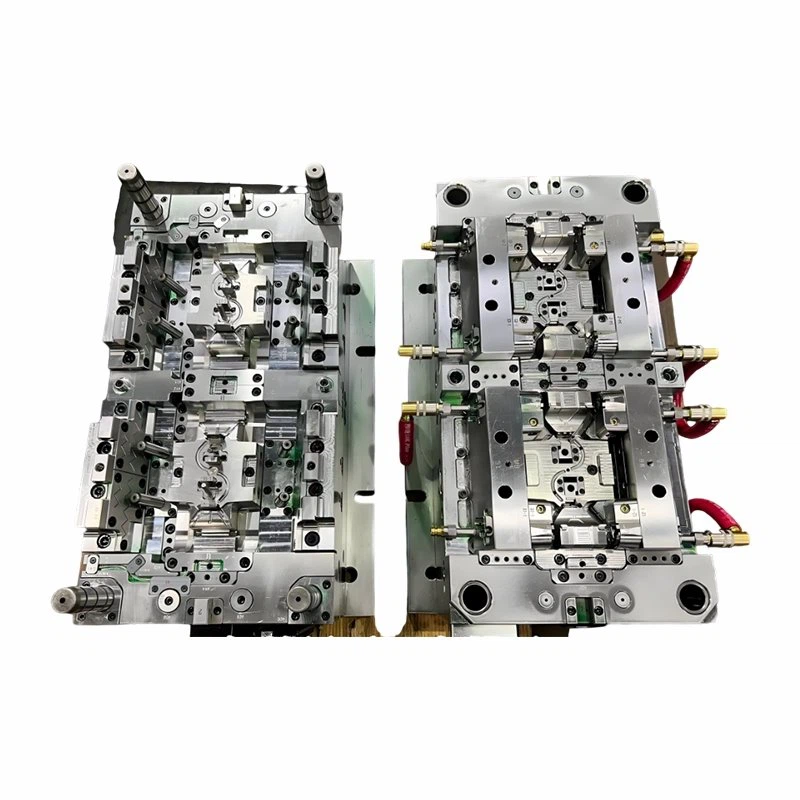
Secondly, die inserts can be more cost - effective to manufacture than an entire die. Since they are smaller components, they require less material and machining time. This makes it more economical to produce multiple inserts for different stamping operations or to replace worn - out inserts as needed.
In addition, the use of die inserts can also lead to savings in tooling costs during the product development phase. For new products, it's often necessary to make design changes and adjustments. With die inserts, these changes can be made more easily and at a lower cost. Instead of modifying the entire die, only the relevant insert needs to be re - machined or replaced, allowing for faster prototyping and product launch.
Flexibility in Stamping Operations
Die inserts provide a high degree of flexibility in metal stamping. They can be easily removed and replaced, allowing for quick changeovers between different stamping jobs. This is particularly useful in job - shop environments where a variety of parts need to be produced on the same stamping press.
For example, a manufacturer might need to produce different types of Automotive Parts Fixtures on a single press. By simply swapping out the die inserts, the press can be reconfigured to produce each part type without the need for extensive retooling. This flexibility not only increases the efficiency of the production process but also allows manufacturers to respond quickly to changing customer demands.
Maintenance and Repair
Maintaining die inserts is relatively straightforward. Since they are separate components, they can be easily inspected for wear and damage. Regular maintenance, such as cleaning, lubrication, and minor repairs, can significantly extend the life of the inserts.
When an insert does become damaged or worn beyond repair, it can be replaced without affecting the rest of the die. This makes the repair process much simpler and less time - consuming compared to repairing an entire die. In most cases, a skilled technician can replace a die insert in a matter of hours, minimizing the impact on production schedules.
Application in Different Industries
The role of die inserts varies across different industries. In the automotive industry, as previously mentioned, they are used to create a wide range of parts, from engine components to body panels. The high precision and durability of die inserts are essential for meeting the industry's strict safety and quality standards.
In the electronics industry, die inserts are used to stamp small, intricate parts such as connectors and contacts. The ability to produce these parts with high precision and in large quantities is crucial for the mass production of electronic devices.
The aerospace industry also relies heavily on die inserts for manufacturing critical components. These components often require high - strength materials and extremely tight tolerances. Die inserts made from advanced materials like carbide are used to ensure the accuracy and reliability of these parts.
Future Trends
As technology advances, the role of die inserts in metal stamping is likely to evolve. New materials and manufacturing techniques are being developed that will further enhance the performance of die inserts. For example, the use of advanced coatings on die inserts can improve their wear resistance and reduce friction, leading to even longer tool life and better part quality.
In addition, the integration of smart technologies into die inserts is on the horizon. Sensors can be embedded in the inserts to monitor factors such as temperature, pressure, and wear in real - time. This data can then be used to optimize the stamping process, predict maintenance needs, and prevent costly breakdowns.
Conclusion
In conclusion, die inserts are an indispensable part of metal stamping dies. Their role in enhancing durability, precision, cost - efficiency, flexibility, and ease of maintenance makes them a key factor in the success of metal stamping operations across various industries. As a Metal Stamping Dies supplier, we are committed to providing our customers with high - quality die inserts that meet their specific needs.
If you are in the market for metal stamping dies or die inserts, we invite you to reach out to us for a detailed discussion. Our team of experts can help you select the right die inserts for your applications and provide you with cost - effective solutions. Whether you are looking for standard inserts or custom - designed components, we have the experience and capabilities to meet your requirements. Contact us today to start a procurement discussion and take your metal stamping operations to the next level.
References
- "Metal Stamping Handbook" by George E. Dieter
- "Tool and Manufacturing Engineers Handbook, Volume 4: Stamping" by Society of Manufacturing Engineers
- Industry whitepapers on metal stamping technology and die insert applications


